Why Are ATP Masters 1000 Tournaments Two Weeks Long? Player Complaints and Trade-Offs
Why most ATP Masters 1000 tournaments now span nearly two weeks, what players and fans dislike, and the business and access trade-offs behind the format.

Seven of the nine ATP Masters 1000 tournaments use a 12-day format in 2026. The change creates larger draws, more sessions and more revenue opportunity, while players and fans argue that it consumes recovery time and weakens the weekly rhythm. The dispute makes sense only after separating match count from calendar footprint.
What does a two-week ATP Masters 1000 actually mean?
A “two-week Masters” normally means a 12-day tournament window built around a larger singles draw, not 14 consecutive days of matches for one player. Qualifying begins before the main draw, the opening rounds are spread across several days and leading seeds receive byes. A finalist still usually plays six best-of-three singles matches, but those matches and recovery days occupy substantially more calendar space than the old one-week model.
Seven expanded events in 2026
The ATP's official 2026 calendar lists seven of nine Masters 1000 tournaments in the enhanced 12-day format: Indian Wells, Miami, Madrid, Rome, Canada, Cincinnati and Shanghai. Monte Carlo and Paris remain the compact comparisons. That distinction is why fans can spend almost all of March following the Sunshine Double, while a traditional one-week Masters moves rapidly from early rounds to a Sunday final.
The phrase “two weeks” can mislead. Weather, combined ATP-WTA programming and event-specific start days alter the exact rhythm. What remains consistent is the bigger footprint: players arrive earlier, top seeds may wait several days for a first match, and tournament operators sell more sessions. The site's ATP tournament calendar is the clearest way to compare the official dates rather than assuming every Masters follows the same Monday-to-Sunday template.
Bigger draws do not mean Grand Slam rules
Most expanded Masters use a 96-player singles draw. That admits more players than the older 56-player model, but it is still smaller than a 128-player major. Seeded byes reduce the number of matches a contender must win. Masters singles also remains best-of-three sets, while men play best-of-five at the four majors. The champion earns 1,000 ranking points rather than a major's 2,000.
Those differences explain the argument. Supporters see a premium event giving more tour players access to a major stage, larger audiences and more recovery between matches. Critics see Grand Slam-sized time without Grand Slam-sized sporting need. Both descriptions contain truth. The format changes who enters and how long everyone stays, even though it does not ask a finalist to play more rounds than the traditional Masters format.
Why did the ATP expand Masters 1000 tournaments?
The ATP expanded the events to create more premium sessions, admit more players and grow the revenue shared by tournaments and players. A 12-day event can sell tickets, hospitality and sponsorship exposure across additional days. A larger draw also places more ranked players inside the main event rather than qualifying or a simultaneous lower-level tournament.
The policy sits within the ATP's OneVision strategy. In announcing the 2026 calendar, the tour highlighted 50-50 profit sharing at Masters 1000 events and expanded bonus pools at Masters and ATP 500 tournaments. The intended economic loop is straightforward: larger events create more valuable inventory; stronger income raises prize money and bonus capacity; a broader field lets more players participate in that value.
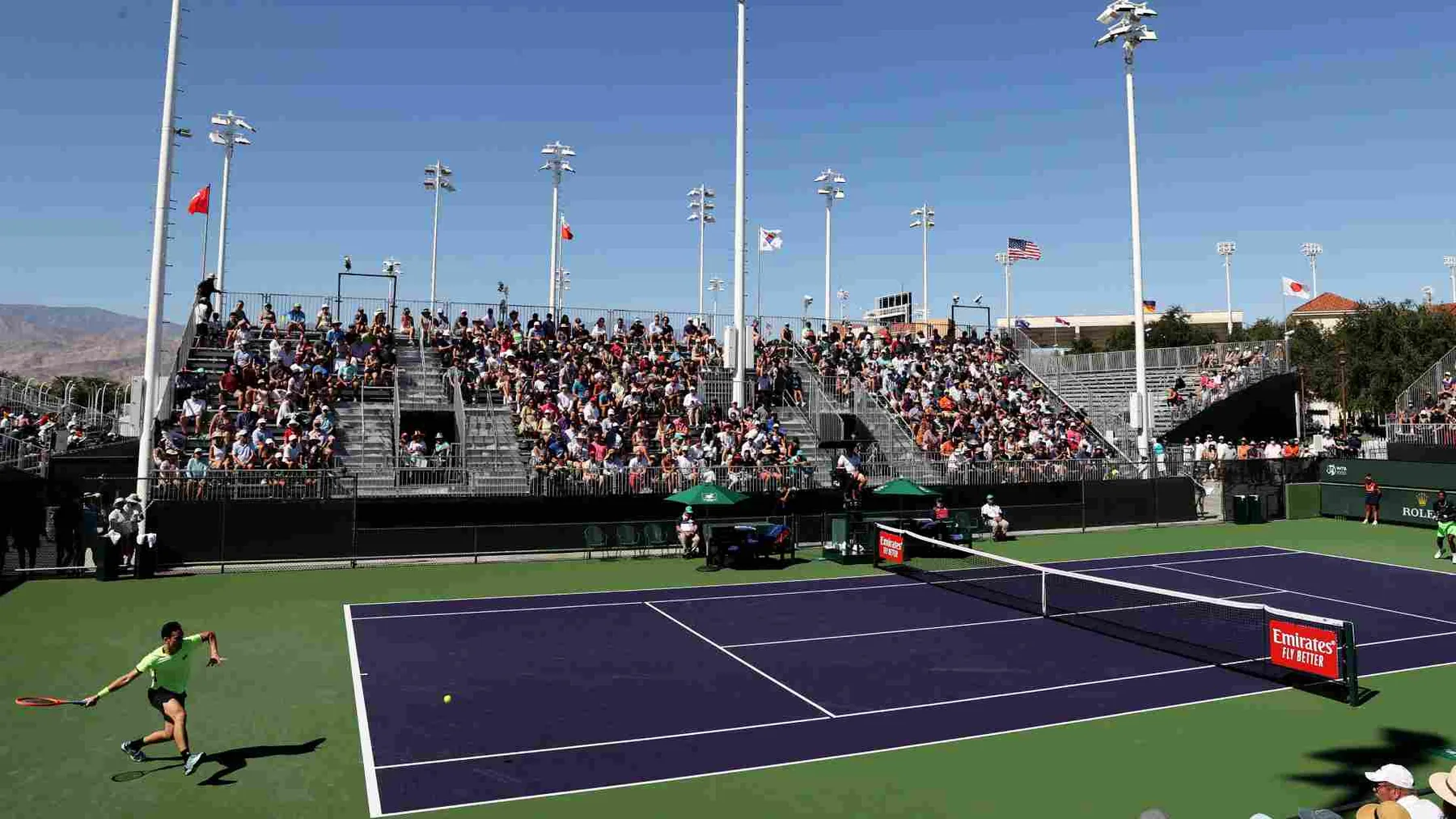
There is also a product argument. Combined men's and women's events can offer a festival rather than a compressed tournament, with more opportunities for local fans to attend, watch practice and see singles and doubles. A market such as Indian Wells can make the venue a destination for nearly two weeks. The site's ATP levels guide helps place that experience between a standard tour stop and a major.
That case should not be overstated. Public announcements explain the structure of profit sharing but do not disclose every event's costs or how each extra dollar reaches players at different rankings. More main-draw places are plainly valuable to players who would otherwise miss the cut. A first-round loser can still face extra hotel, coaching and travel costs, especially if the next suitable event does not begin for many days.
The expansion is therefore rational from the tour's collective business perspective even when an individual player dislikes it. Organizers value predictable premium content; broadcasters value more programming; some players value access and prize-money opportunity. The controversy begins because those gains are distributed unevenly, while everyone must surrender the same scarce resource: calendar space.
What are players complaining about?
Players mainly object to how long the events occupy their lives, not to playing six matches instead of five or seven. A day between rounds can aid immediate recovery, yet a 12-day block reduces the free weeks available for training, going home or preparing for the next surface. Arthur Fils, Novak Djokovic, Jannik Sinner, Alexander Zverev and Carlos Alcaraz have all publicly preferred the compact rhythm.
More days away without more recovery weeks
A top player remains in tournament mode on non-match days. He practices, receives treatment, handles media, studies the next opponent and keeps sleep and meals aligned with an uncertain order of play. A Thursday finish in one city may be followed by travel and preparation for another expanded event. Zverev's broader calendar complaint used a stark example: a player finishing Davis Cup in late November and starting United Cup in late December has barely a month to rest and build for the new season.
No sound analysis can attribute an individual injury to one scheduling feature. Training history, technique, surface, age and chance all matter. The defensible point is that a larger calendar footprint removes opportunities for preventive training and true disconnection. The current ATP week can look light on match days while still being full-time work for the players involved.

Early losses can create dead time
The format can also punish a player who loses immediately. A lower-ranked entrant gains a valuable main-draw opportunity, but may then wait many days before the next ATP event, carrying hotel and team costs. Entering a Challenger may be possible in some circumstances, though deadlines, travel and eligibility complicate the pivot. One extra Masters payday does not erase the economics of an extended stay for every player.
This is why the same feature can help and hurt. A player ranked around the direct-entry cut gains access to 1,000-level points and prize money. If he wins twice, the format can transform his season. If he loses once, the expanded block may eliminate a week in which an ATP 250 offered a more realistic route to multiple wins.
The one-week comparison players keep making
Fils called 12 days almost a major and praised Monte Carlo and Paris. Djokovic said he preferred leaving two-week formats to the Slams. Zverev described the appeal of arriving, playing five matches and leaving. Sinner supplied the fan-facing detail: in the compact model, quarterfinals, semifinals and finals occupy familiar days, while expanded tournaments sometimes finish on Monday, Wednesday or Thursday.
The comparison is persuasive because it uses live examples within the same category. Monte Carlo and Paris still award 1,000 points and attract elite fields without occupying 12 days. The counterargument is that their smaller draw limits access and their venue/business conditions differ. The debate is not between tennis and no tennis; it is about which benefits justify consuming five extra days of a finite season.
Why do fans say the tournaments feel too slow?
The complaint is about narrative density: the opening phase delays the famous names, while the final phase spreads a small number of matches across too many days. Expanded events offer more total tennis, but more inventory does not automatically create more urgency. A compact Masters gives viewers a simple daily progression; a 12-day event requires them to keep checking which half of a round is being played.
Seeded byes delay marquee matches
A 96-player draw gives the leading seeds first-round byes. The earliest sessions therefore feature many valuable matchups but fewer household names. For a dedicated fan, that is an opportunity to discover players. For a ticket buyer who expected to see the top seed, it can feel like paying for an opening act several days before the headliner appears.
The fan discussion is consistent even if it is anecdotal. Viewers say the events “take ages to get started,” and that late-round days can feel empty. The scheduling challenge is real: organizers need to divide both halves of a large draw, protect rest intervals and sometimes accommodate women's matches at combined events. The result can be excellent individual sessions without a crisp overall storyline.
Finals no longer follow one weekly rhythm
Sinner captured the confusion by contrasting the traditional sequence—Friday quarterfinals, Saturday semifinals, Sunday final—with expanded events that end on different weekdays. A fan cannot hear “Masters semifinal” and automatically know when to watch. That complicates television habits, travel planning and ticket comparison across tournaments.
The solution is practical rather than nostalgic. Check the official order of play for the exact day, then use the site's ATP watch guide for legal broadcast options in your market. Do not buy an early session solely from a promotional player list: confirm which draw half is scheduled and remember that a seeded player's first match can arrive several days after main-draw play begins.
There is a genuine audience split. A local fan able to attend on weekdays may welcome extra sessions and lower-priced early access. A global viewer following several tours may experience fatigue as one premium tournament overlaps the buildup to another. The same 12 days can feel like a festival from inside the venue and a diluted television product from outside it.
Who benefits from the 12-day format?
Tournament operators and media partners gain more premium inventory, while players near the entry cut gain a better chance to enter a Masters main draw. Local fans gain more sessions and a broader field. Those are meaningful benefits, even though they do not land equally and do not cancel the workload complaints.
The most direct sporting gain belongs to players who would be outside a 56-player draw but inside a 96-player field. A first-round Masters win can deliver rankings momentum, prize money and exposure against a leading opponent. The larger field also makes the category resemble the depth of the tour rather than a closed showcase for familiar names. Fans browsing the site's ATP players section can see why that access matters: the gap between No. 45 and No. 85 is often far smaller on court than their commercial visibility suggests.
Hosts gain flexibility. More sessions can spread attendance, create weekday hospitality and justify investment in grounds, practice courts and fan areas. Broadcasters and sponsors receive more hours around a top-tier property. Under OneVision, ATP has linked the growth of Masters events to equal profit sharing between events and players and to broader bonus pools. The principle is that a larger product should create a larger common return.
Doubles can benefit when organizers use the extended schedule well. A longer event can give doubles teams suitable rest and place matches on show courts instead of compressing them around singles. That outcome is not automatic; programming choices determine whether extra time becomes visibility or merely waiting.
For lower-ranked players, the calculation stays mixed. Direct entry is a valuable opportunity, but an early loss can mean days without another event while accommodation, food and team wages continue. Fans sometimes frame the debate as rich stars against deserving outsiders. The actual lines cross. A top player may value recovery more than another cheque, while a player outside the elite may prefer a realistic ATP 250 run to one Masters match followed by ten expensive days.
The strongest defense of expansion is therefore not that everyone wins. It is that more players receive a shot and the sport can grow its premium events. The strongest criticism is that the tour has purchased those gains with calendar time, a cost carried by every participant whether or not his individual tournament succeeds.
Is the two-week Masters format likely to change?
A rapid return to one-week Masters is unlikely: the ATP's announced 2027 calendar again contains nine Masters 1000 events, seven in the 12-day format. Tournament investment, broadcast agreements and the OneVision revenue model are now organized around expansion. Public player opposition is significant, but no reversal has been announced.
What is confirmed for 2027
The confirmed fact is continuity. Indian Wells, Miami, Madrid, Rome, Canada, Cincinnati and Shanghai remain the expanded core, with Monte Carlo and Paris the compact exceptions. Fans should plan around varied start and final days for at least another season. The exact draw and daily order still matter more than the broad “two-week” label, so use the site's tournament list for event windows and today page for actual matches.
Continuity does not mean the debate is finished. Players can use the ATP governance process, media pressure and schedule choices to push for changes. Organizers can present attendance, prize-money and revenue evidence in defense. Any durable decision should compare more than injury anecdotes or gross income: it should examine player days on site, withdrawals, match quality, net earnings by ranking band and audience retention across each round.
Practical reforms short of going back to seven days
The tour could reduce frustration while preserving larger draws. A more consistent final day would make the product easier to follow. Clear session labels—stating which draw half and likely seed debuts are included—would help ticket buyers. Better spacing between expanded events would create real training blocks, though the already crowded global calendar makes that difficult.
Commitment rules are another pressure point. Allowing players more choice among Masters, or making replacement-result rules simpler, could reduce strategic late withdrawals. For lower-ranked players, travel support or accommodation assistance after early losses could protect the access benefit from being swallowed by costs. Doubles schedules could be published earlier and placed deliberately on larger courts.
There is no perfect format. A seven-day event sacrifices main-draw places and sessions; a 12-day event consumes recovery and attention. The strongest reform would measure those costs openly and make the calendar predictable. Players are asking for time, organizers are asking for scale, and fans are asking for a coherent story. The format will survive only if it can offer all three in a proportion the sport recognizes as fair.
The format in one line
The 12-day Masters is a defensible growth model with measurable access benefits and a real time cost. It is confirmed through 2027; the immediate question is how the ATP can make its schedules, commitments and financial support work better inside it.
About the author
ATP Schedule Editorial Team
The ATP Schedule editorial team turns match times, scores, tournament information and verified tennis news into clear answers fans can use quickly.
View all articles by this author →Fan discussion
Comments
Sign in with Google to comment. Keep the discussion helpful and tennis-focused. New comments are reviewed before they appear.
Loading comments…