ATP Tennis Jobs: Where to Find Official Vacancies and How to Apply
Find the right employer behind professional tennis, explore operations and media career routes, and prepare a practical application with relevant evidence.
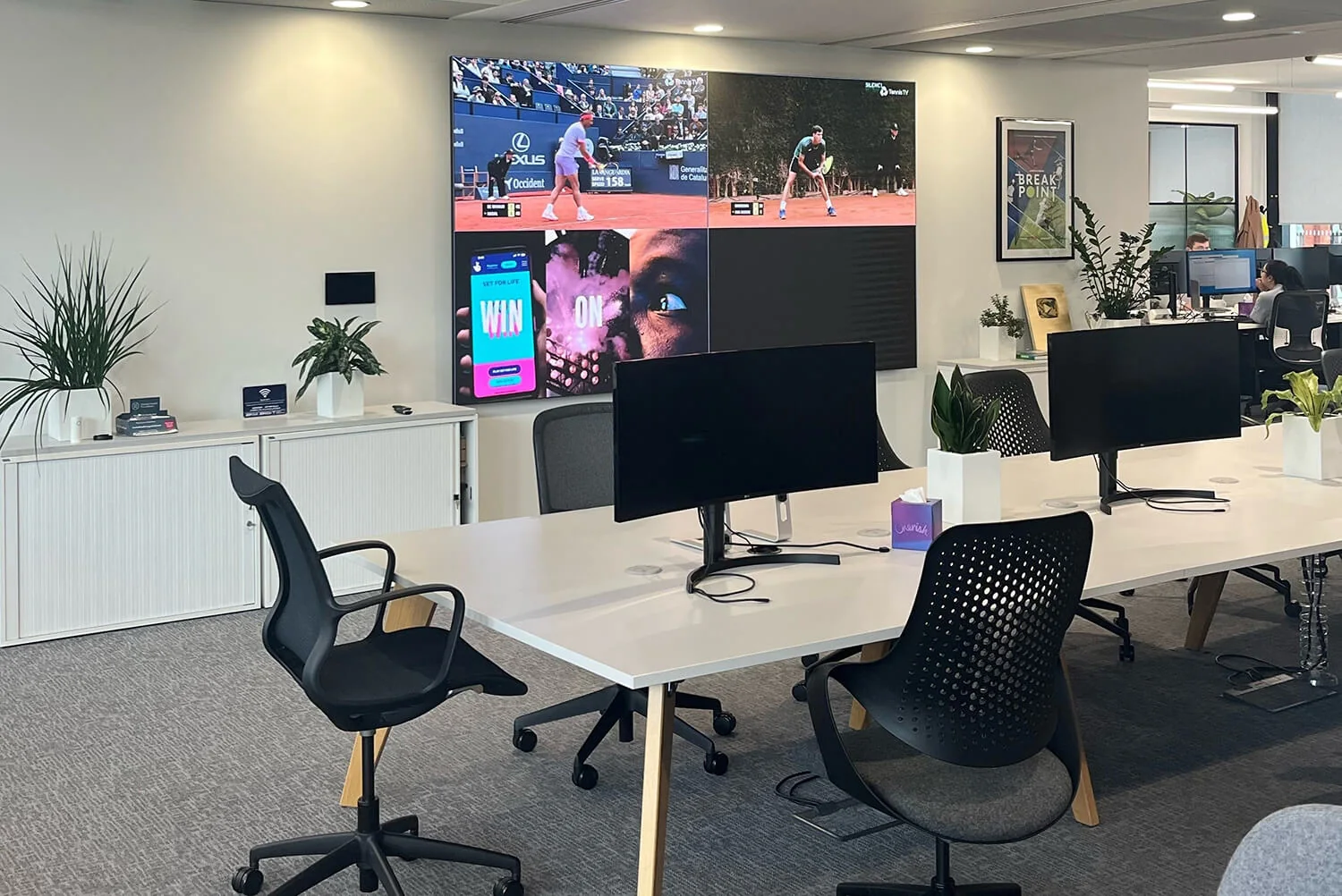
Where to find official ATP tennis jobs
Start with the official careers page of the organisation you want to join. For ATP Tour employment, use the ATP careers destination. For a role at a particular tournament, check that event's organiser. For television production and streaming work, investigate the media employer. These routes overlap around the same matches, but they lead to different applications and contracts.
This guide was checked on 13 October 2026. It explains recruitment routes and preparation rather than promising that particular vacancies are open. A careers homepage, an invitation to register a CV and an advertised position are three different things. Before preparing an application, open the employer's current listing and read its instructions.
| What you want to investigate | Start here | What to establish |
|---|---|---|
| Employment with ATP Tour itself | ATP official careers | The named employer, role and current application route |
| Production, streaming or tennis media | ATP Media: Work with us | A specific vacancy or the published CV registration option |
| Work at a tournament | The event's official recruitment site; Wimbledon jobs is one clear example | Who hires directly and which partners recruit separately |
| Wider tennis experience in Britain | LTA careers | LTA employment versus the wider tennis jobs board |
ATP Media's official page publishes [email protected] for registering a CV. That is a verified route to ATP Media, not a general application address for every ATP tennis job. When a specific advert provides another procedure, follow that procedure.
Use the tournament directory to identify events you could realistically reach, then investigate their official websites. Wimbledon and the LTA are broader tennis examples here, not ATP Tour employers. Job boards can help you discover names, but the useful next step is always to establish which organisation owns the opportunity and where it asks candidates to apply.
Know who would actually employ you
An ATP tennis job search becomes much more productive when you separate the tour, the event organiser and the businesses delivering services around an event. A tournament name on a badge does not tell you which organisation employs the person wearing it. Read the employer name on the advert before making assumptions about location, benefits or a route into another role.
ATP Tour and tournament organisers
If your goal is specifically to work for ATP Tour, keep that employer name central to your search. If your goal is to help stage professional tennis, investigate the individual event as well. A guest-services role, accreditation assignment or transport position might belong to a tournament organiser or its service provider. Applying to ATP's corporate careers page would not replace applying through that organisation's own process.
Wimbledon offers a useful, clearly documented example of the distinction. Its official Championships recruitment guide explains direct AELTC roles and separate employment partners for food and drink, cleaning and security. Wimbledon is a Grand Slam operated by the AELTC, so these examples illustrate tennis-event work rather than ATP Tour vacancies. The same sensible question travels with you to any event: who is hiring this particular team?
Our guide to ATP's meaning in tennis provides tour background. For your application, however, use the specific organiser's description of its business, responsibilities and recruitment procedure.
Media companies and event partners
Television coverage creates another set of routes. ATP Media describes its structure across live content, non-live programming, broadcast operations and engineering, commercial sales, audience insights and consumer streaming. Tennis TV sits within that media business. This helps explain why a job around ATP coverage might require production, technical or commercial evidence rather than a tournament-operations CV.
ATP Media describes production both on site and at its London remote production hub. Here, “remote production” describes how a broadcast is made; it does not establish that a vacancy permits working from home. Check the location and working arrangement in the advert. For event partners, make the same distinction between being assigned to tennis and being employed by tennis's governing or tour organisation.

Match your skills to a real tennis role
Choose a role by the work you can demonstrate. Following the tour helps you understand the setting, but an application needs evidence of a useful skill: organising people, serving customers, producing clear content, operating equipment or maintaining commercial relationships. The examples below describe documented work, not a list of positions currently accepting applications.
Tournament operations and player services
Operations can involve the details that make a match day function. Wimbledon's official role guide describes player desks handling accreditation, enquiries and practice-court bookings. Its court-services teams cover and uncover courts under direction, check wet areas and work with groundstaff and the referees' office. These are concrete responsibilities, with different skills and working conditions.
A candidate with reception, customer-service or event experience could explain how they handled conflicting requests, checked a booking and passed an unresolved problem to the right colleague. Someone with practical venue experience could give an example of following instructions accurately under time pressure. Those examples are more useful than naming favourite players. Research the relevant event in the weekly tournament guide, then read the actual role description to understand where your experience fits.
Broadcasting, content and digital work
ATP Media's department overview separates live content, original programming, engineering and consumer streaming. That range matters: editing a player feature, coordinating a production and supporting broadcast equipment are different contributions. Aim your application at the one you can support with examples.
Wimbledon's media-role descriptions provide another helpful distinction. Broadcast assistants help crews move and work around the grounds; interview coordinators help organise post-match media activity. A runner's reliable communication and a producer's editorial judgement are not interchangeable. If your strongest experience is organising shoots or checking information, describe it accurately instead of calling yourself a broadcast specialist without the relevant background.

Commercial and professional services
Professional tennis also involves work away from a court or camera. ATP Media describes media-rights sales, business development, tournament and media relationships, and audience measurement. Someone with sales or account-management experience can therefore investigate tennis opportunities through that professional skill, rather than beginning again as an aspiring on-court employee.
For a commercial application, an example of delivering a client commitment, preparing an accurate report or resolving a service problem may be persuasive. For finance, legal or other professional work, search by your discipline and read the employer's stated requirements. These are suggested search directions, not claims that ATP has those vacancies today. Pick two or three role families that fit your experience; sending the same broad “anything in tennis” application everywhere makes that fit harder for a recruiter to see.
Build experience before targeting a permanent role
If you do not yet have relevant experience, start with a responsibility you can perform well and explain afterwards. A local tennis programme, a seasonal event team or a suitable internship can provide evidence of organisation and service. Choose the opportunity for the work you would learn, rather than for how close it might put you to a famous player.
The USTA's youth-development career guide describes activities such as planning programmes, organising clinics and supporting events. This is community-tennis context, not ATP recruitment. Its useful lesson for a prospective event applicant is practical: coordinating participants, preparing a plan and helping an activity run smoothly produce examples you can discuss in an interview.
Seasonal work, internships and volunteering
Keep the terms separate. A paid seasonal job has its own employment period and duties. An internship has a programme and application process to investigate. Volunteering is a different commitment and should not be described on your CV as paid employment. None of these routes guarantees a permanent position or an introduction to ATP Tour.
ATP Media's careers page describes a summer internship programme for people interested in, or studying, media and production. That confirms the programme is described by the employer; it does not establish that applications are open today. Check for current instructions, dates and programme terms before acting. Do not assume it is a general ATP Tour internship.
For a more local start, the LTA's career pathways include coaching, officiating, community roles and volunteering. The LTA explicitly describes volunteer opportunities for people who do and do not play tennis. Follow the relevant pathway's training and role information rather than assuming the requirements for one type of work apply to another.
Before committing, ask who will supervise you, what duties you will perform, what expenses you would bear and which dates you must attend. Afterwards, record what you actually contributed: a booking you organised, a clear handover, a guest problem resolved or an event task completed. Request an appropriate reference if the organiser can provide one. A specific account of useful work is a stronger next step than a long list of tennis events you attended as a spectator.
Write an application that shows useful tennis knowledge
A strong application explains how your experience fits the work advertised. Your knowledge of tennis can make that explanation more precise, but it should support evidence of delivery. Read the essential criteria, follow the requested format and make it easy to identify what you personally contributed.
Turn your CV into evidence of delivery
The LTA's recruitment guidance says candidates will typically provide an up-to-date CV and a supporting statement or answers to role-specific questions. It advises candidates to match their skills and experience to the role. Use that approach when preparing your own materials, while following each employer's actual instructions.
Wimbledon demonstrates why those instructions matter. Its recruitment process page says applications are submitted online and CVs are not reviewed at the first stage. It asks for detail in the application itself and describes competency questions using Situation, Task, Action and Result. A polished attachment will not compensate for unanswered application questions.
For example, if you coordinated a community event, explain the problem, your responsibility, what you did and the outcome. “Organised participant arrival and maintained a clear booking list” gives a recruiter something to assess. Add genuine numbers or results when you have them, but never invent attendance, budgets or performance improvements. If several people delivered the project, distinguish your contribution from the team's work.
Keep a longer record of your experience, then select the most relevant examples for each application. An operations form may need a calm customer-service example; a content role may need accurate writing under a deadline. Use a professional interest in the event to explain motivation, and practical evidence to explain suitability.
Build a small, relevant portfolio
Where a role allows work samples, a short, clearly labelled practice exercise can show how you think. This is our preparation advice, not a stated ATP application requirement. The LTA notes that some interviews may include a presentation, task or test; the employer will specify what it wants.
For an editorial exercise, use today's tennis schedule to prepare a concise event brief. Identify the tournament and session, state the relevant time zone and separate a scheduled start from an estimate. Add a short explanation of what a viewer should check in the watching guide. Use your own writing and label the date so the sample cannot be mistaken for a current published schedule.
For an operations exercise, create an imaginary practice-court request sheet or interview-running plan, inspired by the documented tasks in Wimbledon's role guide. Explain what happens when requests conflict and who receives the next handover. Label it as a practice scenario, use fictional personal details and avoid implying access to real player bookings. One useful page with a clear purpose tells a recruiter more than a large folder of unrelated tennis opinions.
Check location, contract and working conditions
Before applying, establish whether the practical terms fit your circumstances. A love of the tour does not resolve a difficult commute, unavailable dates or a mismatch between your experience and a stated requirement. Use the individual advert as your starting point and ask the recruitment contact about important details that remain unclear.
Location can be more specific than a company name suggests. ATP Media describes a head office in Wimbledon and studios in White City. That gives business context, but the advert must tell you where the particular role is based. A job attached to a tournament also needs a precise venue and work period; do not infer them from the dates of televised matches.
| Detail | Question to resolve |
|---|---|
| Employment period | Is this permanent, seasonal, fixed term, an internship or another arrangement? |
| Location and attendance | Where must you work, and which dates or shifts require attendance? |
| Pay and expenses | What compensation is stated, and what travel or other costs would you bear? |
| Role requirements | Which qualifications, experience or checks are required rather than preferred? |
| Travel and eligibility | What travel and work-eligibility conditions apply to this specific post? |
The differences are real. Wimbledon's transport-role description says driver applicants should ideally have held a manual driving licence for at least five years and have suitable London driving knowledge; it also specifies being based within a ten-mile radius during employment. Those details belong to that transport role. They are not requirements for all tennis jobs.
If you need support during recruitment, look for the employer's adjustment guidance. The LTA describes reasonable adjustments such as alternative task formats and changes to interview arrangements, and allows requests during the process. Ask the organisation you are applying to about its own procedure. Clear questions at this stage help you assess the opportunity and prepare accurately for the work.
Follow opportunities without relying on stale listings
Keep a small shortlist of employers and revisit their official recruitment pages. Search results are useful for discovery, but a job title in a snippet or an undated career article is not enough to establish that applications remain open. Check the actual listing when you intend to apply, including the employer, year, deadline and application instructions.
A careers page may mix enduring information with seasonal material. Wimbledon's official recruitment portal, for example, separates vacancies from descriptions of working at the Championships. Read the specific vacancy rather than using the general tournament dates to infer its employment period. Equally, ATP Media's invitation to register a CV should remain labelled as registration, not as an application to an unspecified open job.
A simple opportunity record can keep the process manageable. For each employer, save its official recruitment URL, the role family that interests you, the date you last checked and your next action. When you find a suitable advert, add its title, deadline and the materials requested. This is a personal organising method, not an ATP recruitment system.
- Discover: identify an employer or role through search, an event website or a recognised jobs board.
- Verify: open the employer's own vacancy or an application destination linked from its official page.
- Prepare: match the stated criteria to your evidence and resolve practical questions.
- Apply: follow that listing's procedure and keep a record of what you submitted.
If an appealing role has closed, use its responsibilities to identify a skill you could strengthen. You can then watch for a future opening without pretending the old one is still available. The most useful ATP tennis job search combines a precise employer target with proof that you can do the work: reliable event delivery, clear communication, capable production or another relevant professional contribution. Let your interest in the sport guide the search, and let the current employer's instructions guide the application.
About the author
ATP Schedule Editorial Team
The ATP Schedule editorial team turns match times, scores, tournament information and verified tennis news into clear answers fans can use quickly.
View all articles by this author →Fan discussion
Comments
Sign in with Google to comment. Keep the discussion helpful and tennis-focused. New comments are reviewed before they appear.
Loading comments…