Why Are There Empty Seats at the 2026 US Open? Ticket Prices, Resale and Session Rules
Why sold-out 2026 US Open sessions could still show empty seats, how face value differs from resale prices and how each ticket type controls access.
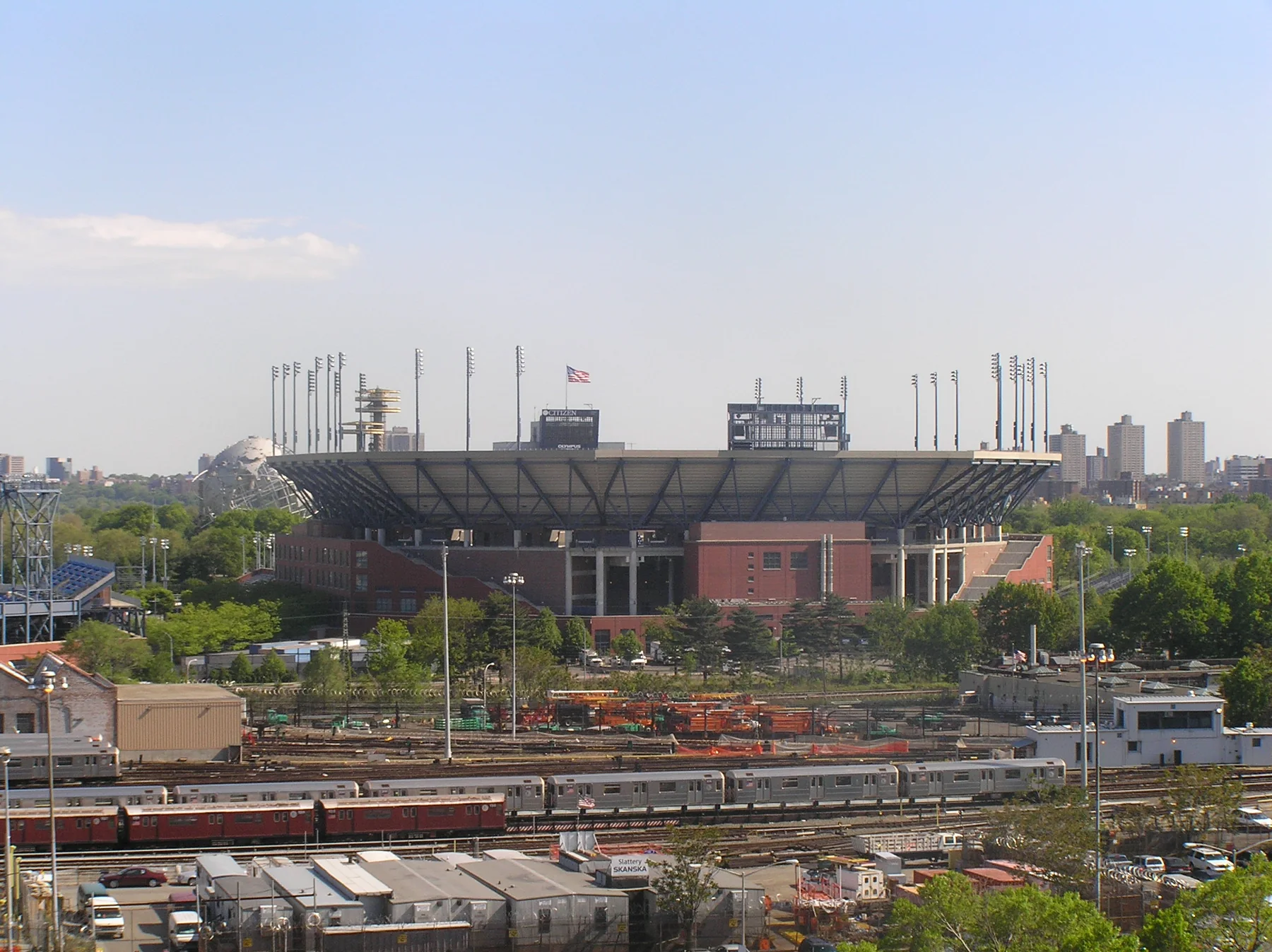
Empty seats at the 2026 US Open did not have one cause. Resale prices kept some fans outside, premium and corporate holders did not occupy seats continuously, and Ashe ticket holders often watched matches elsewhere on the grounds. Understanding ticket access explains how a session can be commercially sold while looking sparse on television.
Why can a sold-out US Open session still look empty?
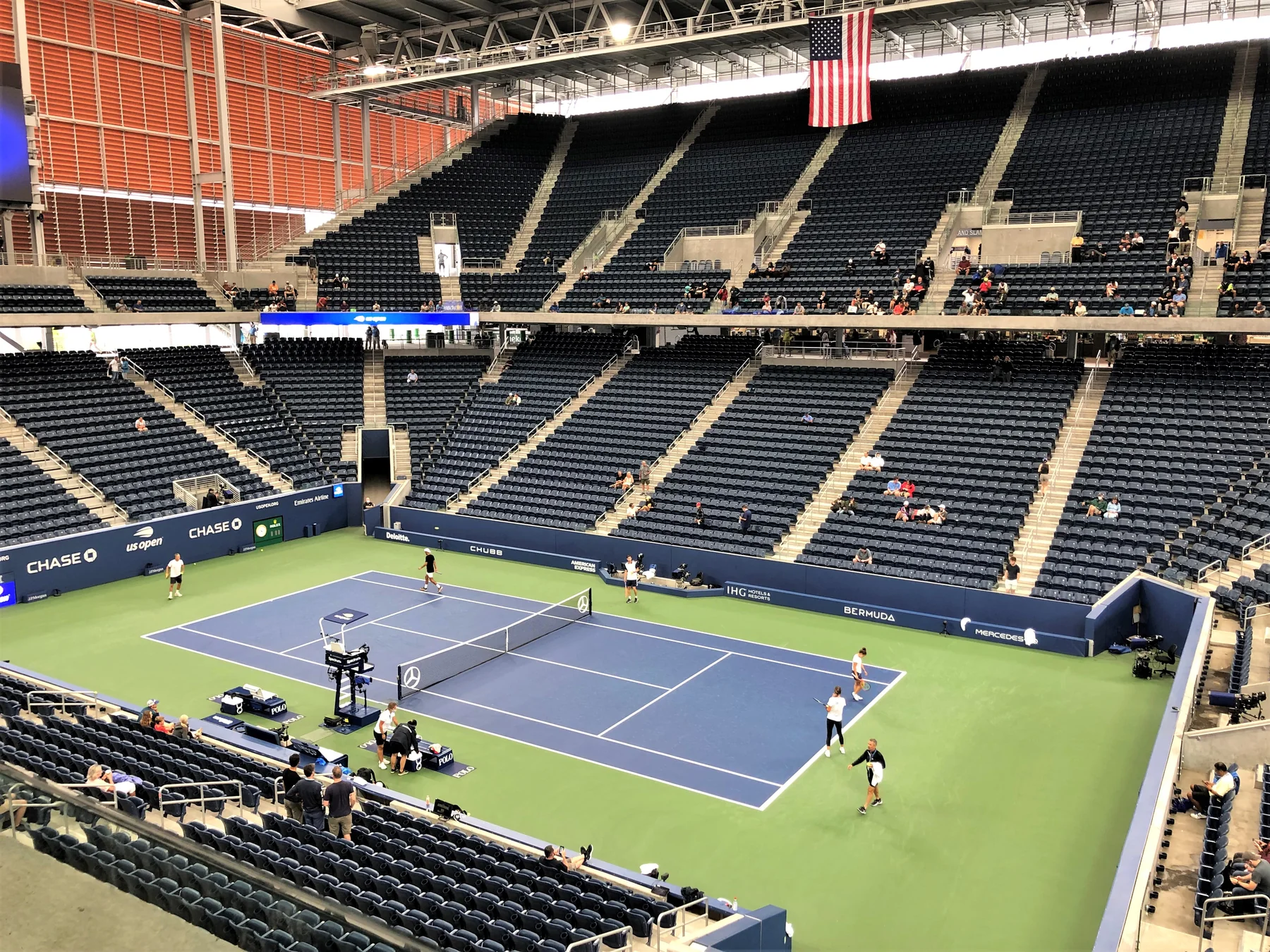
A sold seat can be empty because its holder is on another court, in hospitality, arriving late or already home; some resale seats may also remain unused. Television repeatedly shows the lower Ashe bowl, where these movements are most visible. That image cannot distinguish an unsold seat from a paid seat temporarily without its owner.
A sold ticket is not an occupied seat
Full-series subscribers, companies and individual buyers control a specific seat for a session. A broker may list it above the price the remaining market will pay. A corporate guest may arrive for only the featured match. A fan may leave when a night session passes midnight. Each scenario produces an empty chair for a different reason.
Daytime conditions matter too. Attendees in the 2026 fan discussions described exposed Grandstand sections empty in strong sun while shaded areas were packed. People arrive after work, queue for food or move during a one-sided match. One screenshot is therefore evidence of a moment, not total attendance.
Fans with Ashe seats roam the grounds
An Arthur Ashe ticket is also a grounds ticket. Official guidance says it includes the assigned main-stadium seat plus first-come access to Armstrong general admission, Grandstand, Stadium 17 and field courts. In early rounds, multiple excellent matches run simultaneously. A committed fan may buy Ashe because it guarantees entry, then spend hours watching a closer contest elsewhere.
That access design creates the paradox: the most expensive ticket can support the fullest outer courts while its reserved seat appears vacant on television. The daily schedule shows how many alternatives compete for attention. A popular young player on Court 17 may draw an Ashe holder away from a routine seeded match.
Premium lounges add another flow. Guests leave seats to eat, meet clients or escape heat, and the visible lower bowl may look sparse even while the building and grounds are busy. Late matches reverse the pattern: upper-seat diehards may remain as corporate sections thin.
Prices and resale remain part of the explanation, but “scalpers caused every empty seat” is too strong. The accurate conclusion is that sale, admission and occupancy are separate measures. Better resale release, seat-filling policies and session design can improve the television image, while fans should recognize that an empty chair may represent someone actively watching tennis elsewhere on the same ticket.
How expensive were 2026 US Open tickets?
There was no single 2026 price: grounds admission began around $65 on some dates, while pre-tournament resale listings pushed entry into the hundreds. The amount a fan saw depended on release stage, session, seat, players announced, fees and time remaining before the first match.
Face value and resale are different markets
CBS reported a grounds-ticket face-value increase from $60 to $65, while secondary demand produced listings near $400. The Guardian highlighted a $65 pass offered at $363. Front Office Sports cited a $288 average secondary-market get-in price before the main draw, 13 percent above the comparable $255 in 2025, with face-value grounds options roughly $65-$135 depending on date.
Those figures can all be accurate. Face value is set by the original seller; resale is an owner's asking price and may never become a completed sale. Fees raise the checkout total. A screenshot of one extreme listing shows scarcity or speculation at that moment, not what every attendee paid.
Prices can collapse after the draw or session starts
Resale inventory is perishable. Once a session begins, an unsold ticket rapidly loses value. In early September, reports circulated of Ashe get-in prices falling to about $69 for selected sessions, more than 50 percent below quotes only days earlier. A star's withdrawal, an unattractive draw or abundant seller inventory can trigger a decline.
Waiting is a strategy with risk. Prices may rise for a blockbuster, and marketplace purchase windows can close before play. Travel costs make a last-minute gamble unsuitable for an out-of-town fan. A local buyer willing to watch any match has more flexibility.
Use the tournament page to understand rounds, then compare the all-in checkout price from the authorized seller. Do not compare a grounds pass with an Ashe reserved seat as if they provide identical access. Set a maximum based on the experience rather than one player, because draws, weather and injury can change the lineup.
High resale asks can contribute to empty seats if sellers refuse to meet late demand. They are not the only cause, but the combination is frustrating: a fan sees no affordable inventory while television shows unused chairs. Transparent face-value labeling and easier late ticket release would help connect those two sides of the market.
What does each US Open ticket include?
An Arthur Ashe ticket provides the broadest access: an assigned Ashe seat plus general access to the other courts. Grounds, Grandstand and Armstrong tickets do not admit the holder to Ashe. Understanding that hierarchy is more valuable than comparing prices without context.
| Ticket | Reserved seat | Other access |
|---|---|---|
| Grounds Admission | None guaranteed | GA Armstrong, Grandstand, 17 and field courts; no Ashe |
| Grandstand | Assigned Grandstand | GA Armstrong, 17 and field courts; no Ashe |
| Louis Armstrong | Assigned Armstrong | Grandstand, 17 and field courts; no Ashe |
| Arthur Ashe | Assigned Ashe for named session | All outer courts, subject to capacity |
Grounds Admission is strongest in early rounds, when many singles and doubles matches fill the field courts. Seating is first come, and popular matchups can create queues. It does not provide even an empty Ashe seat. Grandstand adds certainty in a lively medium-sized court, while Armstrong offers a reserved seat under a roof and general access elsewhere.
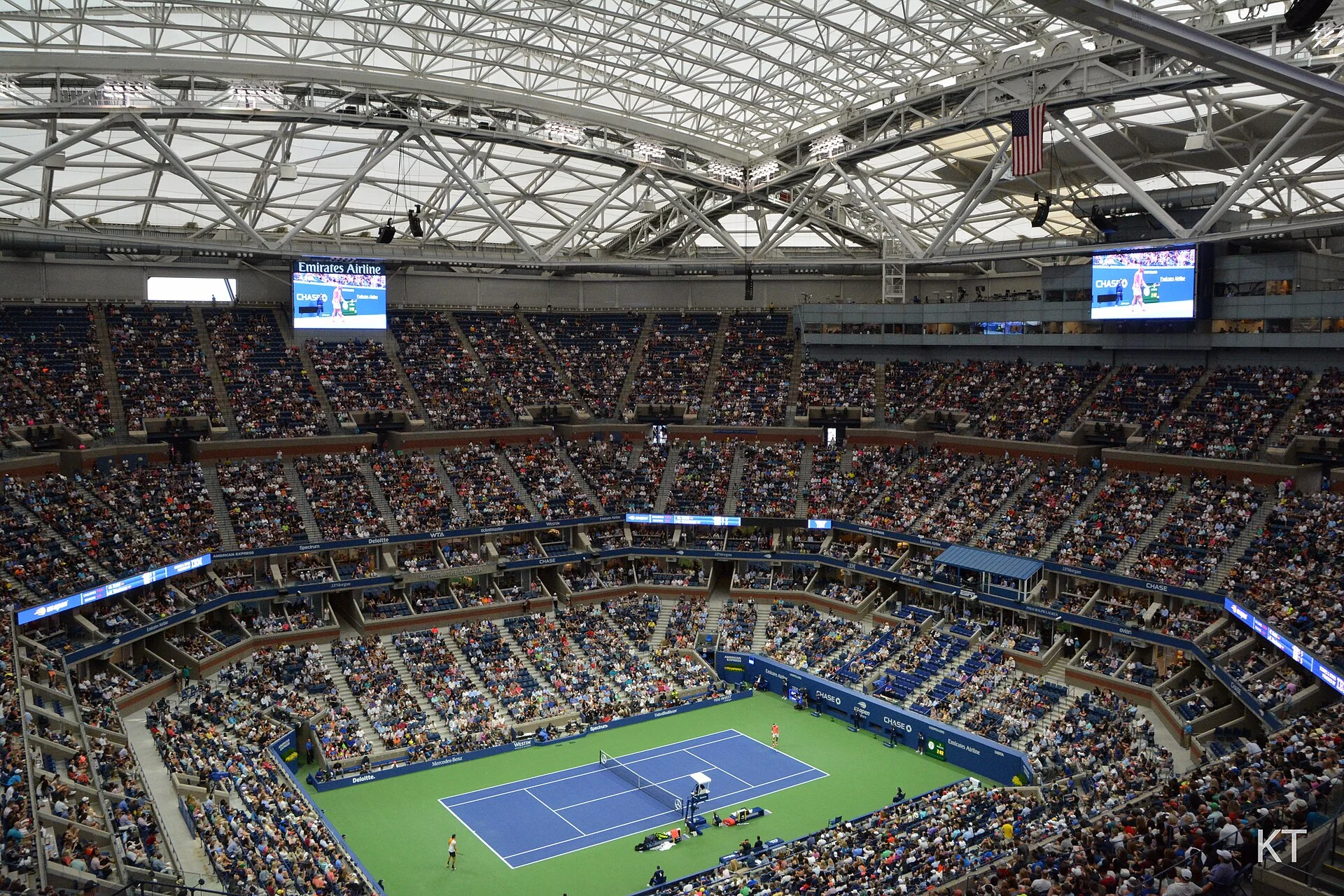
Ashe seats are session-specific. A day-session reserved seat does not automatically become the same seat for the evening session. An evening ticket permits grounds entry only at its stated opening time. The outer-court benefit explains why an Ashe seat may be empty: its holder has not surrendered it by watching elsewhere.
Before buying, open the schedule of matches and decide whether one guaranteed stadium seat or flexible court-hopping matters more. A fan devoted to a player assigned to Ashe needs that stadium ticket. A fan who wants volume and proximity may gain more from grounds or Grandstand in week one.
Capacity still governs general admission. “Access” does not guarantee entry to a packed Armstrong upper area or a close seat on Court 17. Arrive early for a popular match and follow usher controls. Later in the tournament, fewer outer-court matches reduce grounds-pass value, while reserved stadium access becomes more important.
Always use the official ticket description for the selected date. Session structures evolve, and renovation or weather can change operations. The access hierarchy above explains 2026; the checkout page and current USTA guide control the purchase.
Are resellers and corporate tickets causing empty seats?
Resale inventory and corporate allocations plausibly contribute to empty seats, but public evidence cannot assign them a precise share. The camera shows occupancy, not ownership. Strong reporting confirms unusually expensive resale and a shift toward premium seating; attendee accounts explain how company guests and lounge use can leave visible chairs empty.
Resale can hold inventory above demand
Front Office Sports reported an average pre-event secondary get-in price of $288 and said many face-value tickets were acquired during early sales, with bots contributing to demand. Screenshots showed more than 400,000 accounts in the men's-final queue for a stadium holding about 23,000. Scarcity at onsale creates a large pool of buyers and speculators before matchups are known.
A reseller then faces a decision: lower the ask or risk receiving nothing. If the platform price stays above late demand, the ticket expires unused. That mechanism can produce the maddening sight of no affordable seat online and open chairs on television. It does not prove every vacant chair was held by a broker, but it is a credible path from apparent sellout to nonattendance.
Premium seats are visible but not continuously used
The Guardian reported that the Ashe renovation removes roughly 3,500 moderately priced loge seats while adding about 2,000 courtside places, with overall capacity changing little. Premium seats dominate the camera view. Their holders may have access to food, hospitality and business spaces that encourage movement away from the court.
Attendees described corporate guests arriving late, leaving early or spending time in lounges. Others said their own Ashe seats were empty because they watched better matches on Armstrong or Grandstand. These reports are valuable observations, not audited ownership data. It would be inaccurate to say every lower-bowl vacancy belongs to a company uninterested in tennis.
The visual issue still matters. A major match framed by empty premium rows weakens atmosphere and angers fans priced out above. Seat-fill programs could allow unused corporate inventory to be released near match time, while verified resale limits or automated price reductions could connect waiting fans to otherwise dead seats. Any system must preserve the original holder's right to return.
Match context also changes occupancy. Check the live results: crowds move when a star is losing elsewhere, a featured match becomes one-sided or the clock passes midnight. The credible explanation is cumulative—price, allocation, roaming, hospitality, heat and time—rather than a single villain.
How can fans buy better-value US Open tickets?
Choose the access you want before chasing a low price: early-round court-hoppers should compare grounds, Grandstand and Armstrong, while a fan who must see an Ashe match needs an Ashe ticket for the correct session. Price is value only when the ticket opens the right gate and seat.
Match the ticket to the tennis you want
Grounds Admission offers maximum variety in the first week but no guaranteed seat and no Ashe entry. It suits a fan happy to follow the best available match. Grandstand adds one reserved base. Armstrong provides a strong view in the second stadium plus outer-court access. Ashe costs more but includes its reserved seat and the whole grounds.
Check the schedule round, not only the date. Early days have dozens of singles and doubles matches; later days concentrate value in the stadiums. A cheap grounds ticket near finals weekend can offer little main-draw tennis. Open the watch guide as a fallback if the desired live session exceeds the budget.
Set a budget and monitor without gambling on one player
Compare all-in totals after fees. Save official links rather than clicking unknown search ads, and use the authorized marketplace or transfer system. Note the seat level, row, session and entry time. A “night ticket” cannot be treated as an all-day grounds pass, and an Armstrong seat cannot enter Ashe.
Local flexible buyers can monitor close to the session, when perishable resale inventory sometimes falls. Travelers should value certainty because airfare and hotels dwarf a possible ticket saving. There is no guaranteed cheapest hour: a star matchup can lift prices, while withdrawal or an unpopular draw can lower them.
Before checkout
- Confirm day versus evening session.
- Confirm the stadium and exact reserved-seat entitlement.
- Read the all-in price and refund/exchange terms.
- Check weather protection and outer-court alternatives.
- Buy the session experience, not a guaranteed player appearance.
The last point protects both budget and expectations. Draws are released close to play, and injuries can cause withdrawals after purchase. Tickets generally buy a session, not a promise that Alcaraz, Sinner or Djokovic will appear. Resale, transfer and complimentary tickets may also have narrower cancellation remedies under the official terms.
For families or first-time fans, a reserved Grandstand or Armstrong seat can balance certainty and proximity better than Ashe's upper deck. For a fan focused on atmosphere and several matches, an early grounds pass can still deliver the classic “people's slam” experience if bought at face value.
Empty seats show that the current market does not always connect inventory with willing fans. Until policies improve, a disciplined buyer has three advantages: understanding access, accepting multiple match options and refusing an asking price above the experience's personal value.
Buy access, not a promise
Compare the complete price, correct session and courts included. A flexible early-round ticket can deliver more tennis than an expensive seat, while no ticket guarantees one player's appearance. Better resale release and seat-fill systems would help the tournament put willing fans into already-sold chairs.
About the author
ATP Schedule Editorial Team
The ATP Schedule editorial team turns match times, scores, tournament information and verified tennis news into clear answers fans can use quickly.
View all articles by this author →Fan discussion
Comments
Sign in with Google to comment. Keep the discussion helpful and tennis-focused. New comments are reviewed before they appear.
Loading comments…