Why Do US Open Matches Finish After 2 A.M.? Late-Night Scheduling Explained
Why US Open night matches can finish after 2 a.m., the 2026 record late finishes, recovery costs, television incentives and realistic scheduling reforms.
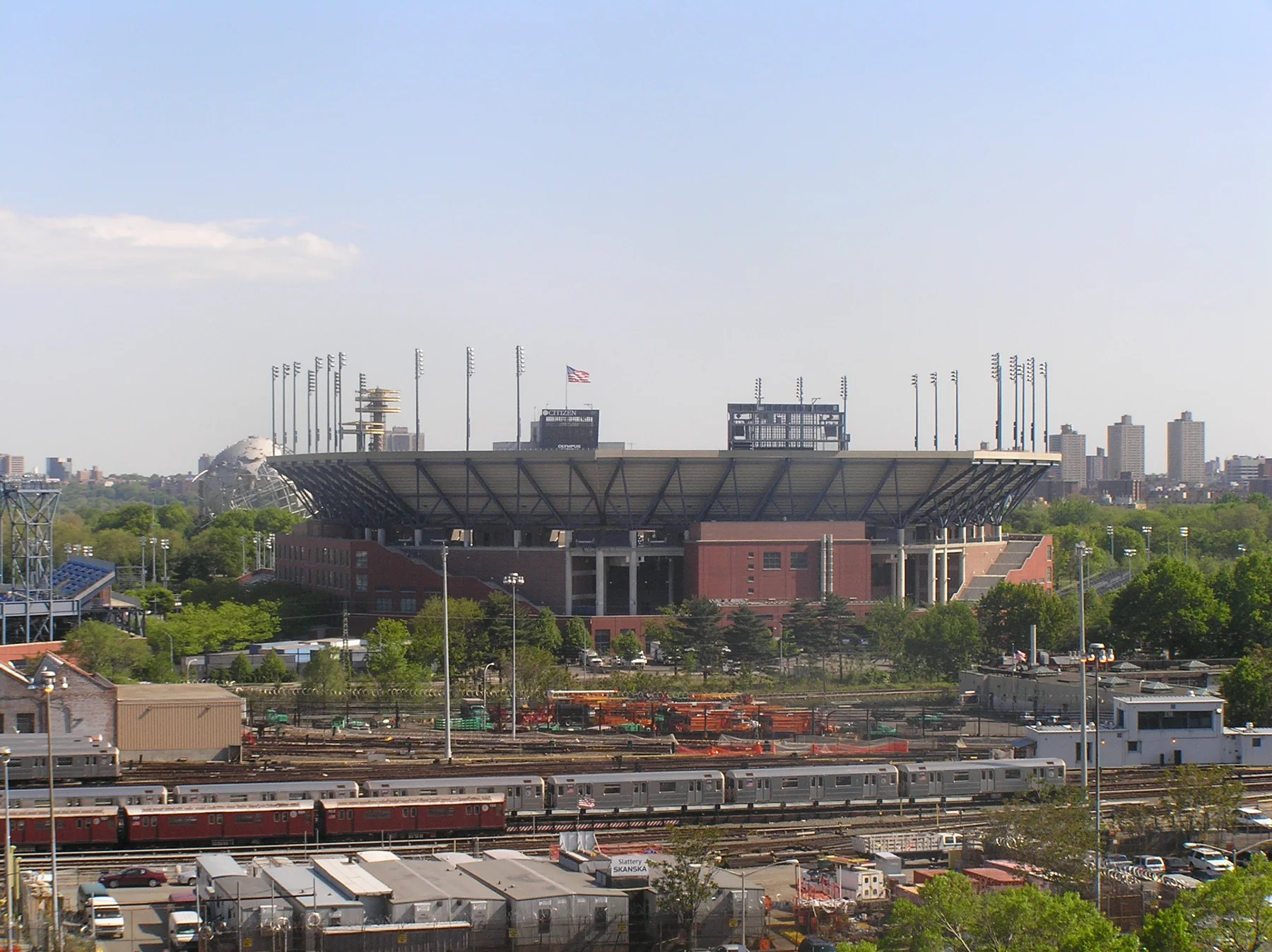
US Open matches finish after 2 a.m. because a two-match night session meets a sport with no clock. In 2026, the pattern became extreme: three of the first six nights passed 2, and Ben Shelton?s quarterfinal win over Carlos Alcaraz ended at a record 3:34 a.m. The causes are understandable; the cost is no longer easy to dismiss.
Why can a US Open night match start after midnight?
A second match can begin after midnight because two singles matches share the Arthur Ashe night session and tennis gives the first one no fixed finishing time. The session may be advertised for 7 p.m., but that time belongs to the program, not to every player on it. The second match waits for the first, the interview and court turnover.
Two matches share the night session
The US Open sells separate day and evening sessions in Ashe. The evening ticket commonly covers one women's and one men's singles match. That pairing offers value and helps feature both draws, but it also creates dependency. If the opener takes three hours, the second players may not walk on until after 10:30. A ceremony, medical timeout or long warmup adds minutes.
The delay can begin earlier. A marathon day-session match may push the stadium transition beyond schedule. On the 2026 quarterfinal day that ended with Alcaraz-Shelton, the day program contained seven hours of tennis before the night session; the second evening match began near 11 p.m. Fans should read the daily order of play from top to bottom. “Second match after 7” is a sequence condition, not a precise appointment.
Tennis has no clock
A men's major match can last three sets or five, and a deciding-set match tiebreak still requires both players to reach 6-6 first. Deuce games, medical evaluations and long rallies make duration difficult to forecast. A roof protects Ashe from rain, but it cannot shorten a 20-minute service game or a five-set comeback.
Scheduling models use average match lengths, while audiences remember the outliers. When two long matches fall consecutively, the error compounds. Moving a match to another court can be unfair to ticket holders and broadcasters, and may be impossible if that court has its own program. Organizers therefore tend to preserve the advertised stadium lineup and accept a late finish.
The process is understandable without being inevitable. The tournament chooses the number of matches, session start and rules for moving or postponing play. The clock-free nature of tennis creates uncertainty; a two-match night schedule converts that uncertainty into a predictable risk that someone will occasionally start at an unreasonable hour.
How extreme were the late finishes at the 2026 US Open?
The first week produced three post-2 a.m. finishes in six nights, then Alcaraz and Shelton pushed the tournament record to 3:34 a.m. in the quarterfinals. Late tennis is a New York tradition; this concentration made 2026 different.
The first-week record
Five of the first six nights went beyond 1 a.m. Venus Williams and Sofia Kenin did not start until 12:13 a.m. on opening night after Novak Djokovic's preceding match lasted four hours and 36 minutes. Kenin completed the match after 2. Williams called the timing undesirable for both players.
Alexander Zverev's first two rounds ended at 1:55 and 2:15 a.m., making him the first top-seeded man in the Open era to begin a major with consecutive five-set matches. Ben Shelton finished another match at 2:07 and expected sleep no earlier than 5. Those are repeated operational outcomes, not one freak five-setter.
Alcaraz-Shelton reset the tournament record
Shelton defeated Alcaraz 6-7(5), 6-1, 6-3, 1-6, 7-6(7) in four hours and 28 minutes. They began around 11 p.m. after earlier matches delayed the evening program and finished at 3:34 a.m. That surpassed the 2:50 record set by Alcaraz and Jannik Sinner in 2022.
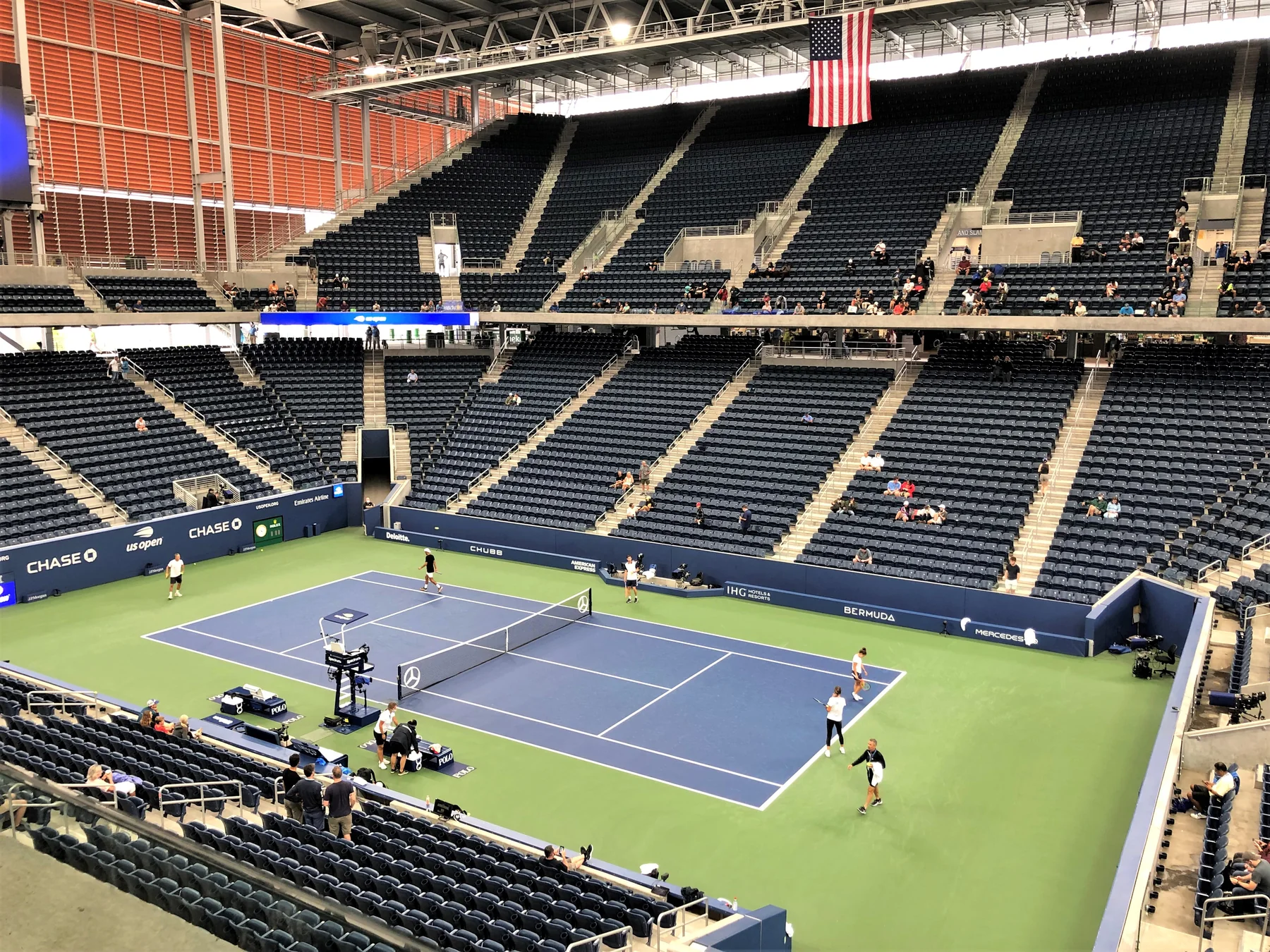
The ATP results record the score, but the clock changes its meaning. Alcaraz was returning after four months out with a wrist injury and showed physical distress before forcing the match tiebreak. Shelton drew energy from fans who remained. The tennis was dramatic; the scheduling still asked whether drama must occur at that hour.
Empty seats reveal the limit
Reports described large empty areas by the end of late matches. That does not show weak ticket sales: people may have paid and left to catch trains, relieve childcare or work the next morning. It does reveal that a valuable session can outlast its audience. Pegula made the television version of the same point—many viewers are asleep at 2 a.m.
A great match retains a committed core, and New York crowds take pride in endurance. Yet the business case weakens when the second match reaches its climax after much of the paying and television audience has departed. The record should be remembered for Shelton's win and Alcaraz's resistance, while also serving as a clear data point for schedule reform.
What does a 2 a.m. finish do to player recovery?
A 2 a.m. finish often becomes a 5 a.m. bedtime after cooldown, treatment, food, media and travel, shifting the winner's entire recovery day. The next day is nominally “off” in a major, but it still contains sleep, practice, medical work and preparation for the next opponent.
The post-match sequence cannot be skipped safely. Players lower heart rate, change and shower, receive soft-tissue or injury treatment, replace fluids and calories, speak to broadcasters and attend a press conference. They then travel from Flushing Meadows to accommodation. Shelton estimated that his 2:07 finish would mean sleep around 5. An even later match pushes breakfast toward lunch and practice toward the evening.
Circadian timing matters alongside hours slept. A player can remain in bed for eight hours and still wake in mid-afternoon feeling displaced. Aryna Sabalenka explained that the next day shifts because athletes must recover the missing sleep. If the following round receives a day-session assignment, the body must reverse again. The tournament can avoid the harshest turnaround through scheduling, but draw, television and equality constraints prevent every late winner from receiving a night slot.
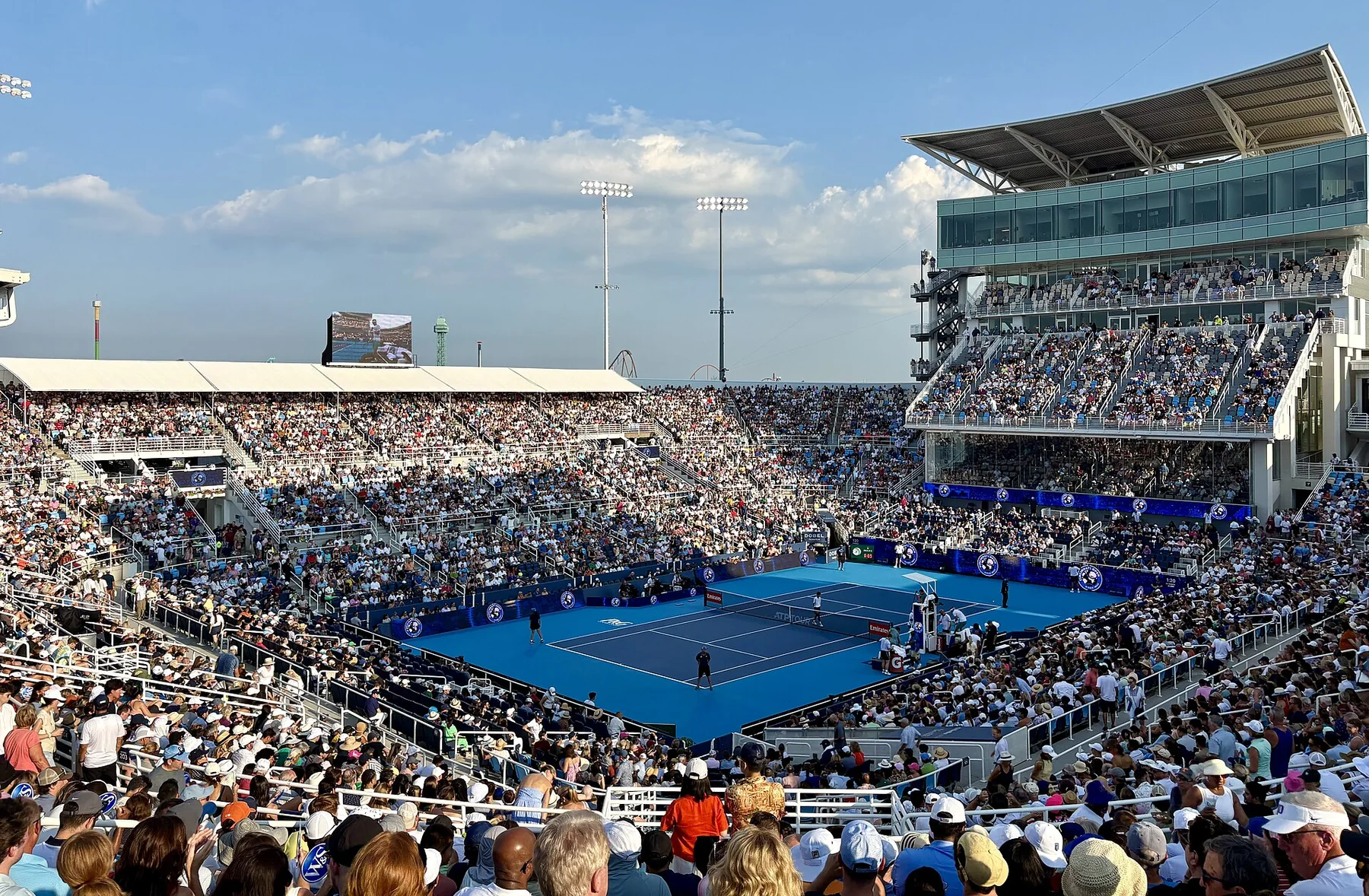
Best-of-five magnifies the load. Zverev finished his first two rounds at 1:55 and 2:15 after consecutive five-setters. Muscle damage and dehydration do not become worse solely because of the clock, but the late hour narrows the window for normal nutrition, treatment and sleep. Mental recovery also suffers when adrenaline remains high at dawn.
Readers following the site's player section should account for this context before calling a next-round performance inexplicable. A late winner has earned advancement but may carry a hidden scheduling deficit. That does not guarantee defeat, and elite teams are skilled at recovery. It changes probability at the margin, especially against an opponent who finished in straight sets during daylight.
Player welfare and competitive fairness meet here. The problem is not that adults occasionally work late; it is that one half of a draw can receive a materially different recovery cycle for reasons unrelated to tennis quality. Preventing the most extreme starts is therefore part of protecting the integrity of the following round.
Why does the US Open keep two night matches?
Two matches give an expensive evening ticket substantial tennis, put both draws in prime time and preserve the night-session identity that distinguishes New York. Those are real benefits. The policy becomes difficult when the first match runs long and the second loses the audience, recovery window and fairness the session was meant to serve.
Prime-time value and separate sessions
Arthur Ashe uses reserved seats and separate day and evening sessions on most early days. Selling a two-match evening program creates inventory and makes the ticket feel like a complete event. It also allows schedulers to feature one women's and one men's match rather than giving the prime television window to only one draw.
Broadcast partners want recognizable players during hours when a large US audience is available. A 7 p.m. start is ideal for that purpose. Yet the second match is exposed to the entire duration of the first. Pegula acknowledged the television calculation while observing that she and many fans are asleep by 2 a.m. Prime time has diminishing value once it becomes overnight programming. The site's ATP viewing guide helps locate coverage, but it cannot keep an audience awake indefinitely.
The New York atmosphere is a real asset
Night tennis under the Ashe lights is central to the US Open's image. Players describe the energy as unlike other tournaments, and spectators build memories around matches that feel communal and unpredictable. The late 2022 Alcaraz-Sinner quarterfinal became part of tournament history because the quality matched the hour.
That emotional asset explains why a simple Wimbledon-style answer does not transfer neatly. Wimbledon has an 11 p.m. curfew influenced by local conditions. Roland Garros schedules one night match. New York sells a different experience, in a roofed stadium with transport running late and a culture that celebrates endurance.
Preserving that culture does not require treating every 2 a.m. finish as success. A packed stadium at midnight shows demand; empty seats at 2:15 show that many customers reached their limit. The tournament can keep its night identity while protecting the second players from starts after a defined threshold.
The core product is uncertainty—the possibility of a classic—not sleep deprivation itself. A reform that begins both matches earlier or moves the second when the first exceeds a trigger could retain the atmosphere. The business question is whether fewer sellable hours would be offset by better match quality, fuller stands and a larger live audience at the conclusion.
Which scheduling fixes could prevent 2 a.m. finishes?
The most workable fix is an earlier first match plus a latest-start threshold for the second, backed by a published plan to move or resume it. A hard stopping rule alone can create a backlog and split a match unfairly. A safeguard must tell players, fans and broadcasters what happens next.
Earlier starts and one-match safeguards
Moving the night opener from 7 p.m. to 6 or 6:30 buys meaningful time without eliminating the session. Gates already open before play, though commuters may find an earlier start harder. The tournament could also designate selected high-risk nights as one guaranteed feature match plus doubles or an exhibition whose format is predictable.
A second-match threshold is more targeted. If the first contest has not ended by 10:30 or 11, organizers could move the second to a ready roofed court, postpone it, or ask the players to choose among approved options. Existing tour guidance generally discourages starts after 11 p.m., showing that tennis already recognizes a boundary, even though the majors control their own schedules.
A flexible cutoff needs a completion plan
Wimbledon's 11 p.m. curfew prevents extreme finishes but can suspend a close match and send ticket holders home without a conclusion. Roland Garros reduces risk by placing only one match in its night session. The US Open could adapt elements of both without copying either: no new match after a threshold, and a later absolute stop only when health or local conditions demand it.
Any relocation policy must protect fairness. Players need equivalent courts, warmup time and clear notice. The original ticket holders need a remedy, perhaps access to the alternative court when capacity permits or a credit if the match moves. Television must know which channel carries the switch. Without those rules in advance, a sensible safety decision becomes improvisation.
A practical trigger system
- Begin the first evening match by 6:30 p.m.
- At 10:30, assess the projected finish and backup court.
- Do not begin the second after 11 without player agreement and a documented exception.
- Protect the late winner from the earliest next-round slot.
- Publish ticket remedies before sales.
The site's tournament calendar shows how other events structure their windows, but reform must fit New York. The goal is not to eliminate memorable night tennis. It is to make 2 a.m. an exceptional consequence of one extraordinary match, rather than a repeatable consequence of placing two unbounded matches in sequence.
Success should be measured through start/finish times, player recovery feedback, attendance retained at match end and late-night audiences. If earlier starts produce fuller finals and fewer withdrawals without damaging prime-time reach, the change supports both welfare and business. The 3:34 record provides a clear baseline against which the next policy can be judged.
Keep the night, control the start
New York should keep its electric evening tennis. Earlier first matches, a firm second-match threshold and transparent relocation rules can preserve that identity while making record overnight finishes rare again.
About the author
ATP Schedule Editorial Team
The ATP Schedule editorial team turns match times, scores, tournament information and verified tennis news into clear answers fans can use quickly.
View all articles by this author →Fan discussion
Comments
Sign in with Google to comment. Keep the discussion helpful and tennis-focused. New comments are reviewed before they appear.
Loading comments…