ATP Asian Swing 2026 Schedule: Tokyo, Beijing, Shanghai, Players and TV Guide
The 2026 ATP Asian swing schedule for Chengdu, Hangzhou, Tokyo, Beijing and Shanghai, with player fields, US time conversion and viewing guidance.

The 2026 ATP Asian swing builds through three consecutive levels: ATP 250 events in Chengdu and Hangzhou, simultaneous ATP 500s in Tokyo and Beijing, then the Shanghai Masters. Current entry lists split the leading names before they can reunite in Shanghai. This guide separates confirmed dates from provisional appearances and converts the schedule for US viewers.
ATP Asian Swing 2026 dates at a glance
The main 2026 ATP Asian swing runs from September 23 through October 18, moving from Chengdu and Hangzhou to Tokyo and Beijing, then finishing at the Shanghai Masters. Every event is on outdoor hard court, but the ranking stakes rise from ATP 250 to ATP 500 and finally Masters 1000.
The bridge events in Chengdu and Hangzhou
Chengdu and Hangzhou run September 23-29. They give players eliminated early from the US Open or Davis Cup a chance to begin the Asian block before the strongest fields assemble. Each awards 250 points to the singles champion. These tournaments often matter to players chasing year-end ranking goals because several wins can change entry and seeding positions before the larger events.
The travel is the hidden variable. A finalist finishes on September 29 and may need to move immediately if entered in Tokyo or Beijing. That makes draw timing and first-round placement important. A player with a Tuesday final in China will not have the same preparation as someone practicing for a week in Japan.
The Tokyo-Beijing double and Shanghai finale
Tokyo and Beijing occupy the same September 30-October 6 ATP 500 window. A player must choose one. Both use outdoor hard courts and compact 32-player draws, so every round carries name recognition and ranking weight. Shanghai begins the next day, October 7, and runs through October 18 in the expanded 12-day Masters format.
| Dates | Tournament | Level |
|---|---|---|
| Sep 23-29 | Chengdu / Hangzhou | ATP 250 |
| Sep 30-Oct 6 | Tokyo / Beijing | ATP 500 |
| Oct 7-18 | Shanghai | Masters 1000 |
The site's ATP tournaments page should be the starting point for confirmed dates. Entry lists measure intention, draws confirm participation, and the order of play confirms when a match is actually scheduled. That distinction is especially important in 2026 because several leading players enter Asia after injury or a demanding US Open.
Who is playing the 2026 Japan Open in Tokyo?
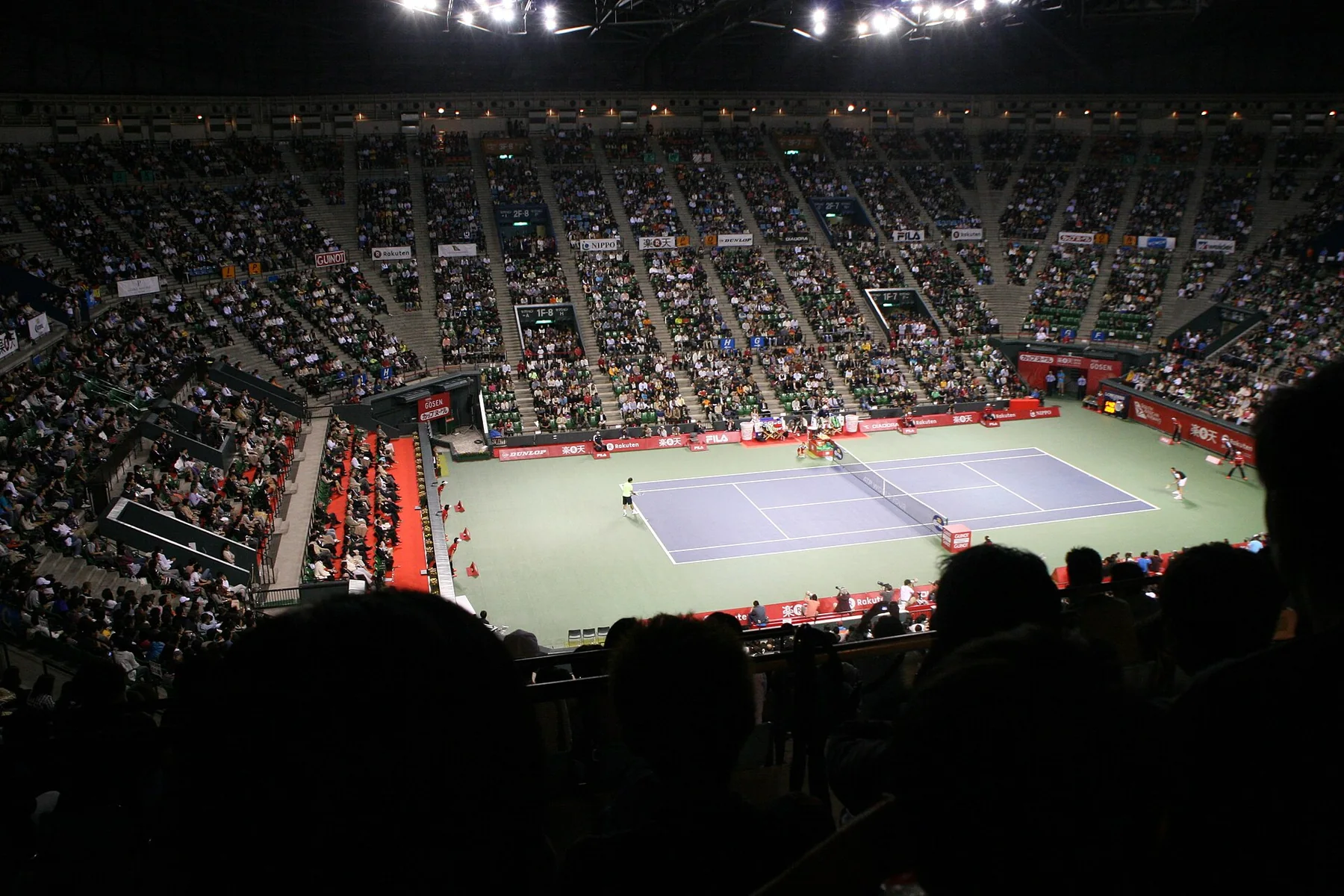
Carlos Alcaraz leads Tokyo's published entry list, followed by Ben Shelton, Taylor Fritz, Frances Tiafoe, Rafael Jodar and Lorenzo Musetti. The official list also includes Casper Ruud, Tommy Paul, Joao Fonseca, Brandon Nakashima and home wildcard Kei Nishikori. As of September 9, it is one of the season's deepest ATP 500 fields.
Alcaraz leads a deep athletic field
The leading group promises fast hard-court tennis. Shelton and Fritz can shorten matches behind first serves; Tiafoe and Paul bring speed and early ball-striking; Musetti supplies greater shape and variety. Jodar and Fonseca give the draw a strong emerging-player story, while Nishikori's wildcard ensures local attention regardless of ranking.
Alcaraz is the obvious headline, but his status deserves a current check. He returned from a four-month wrist absence at the US Open and endured a 4h28 quarterfinal ending at 3:34 a.m. His name on Tokyo's list records a plan, not a guarantee. If he plays, the quick surface and 32-man draw will give him little room to find rhythm.
Why Tokyo's draw can change quickly
Entry lists are published weeks before play. Injuries, Davis Cup duty and late US Open runs can alter travel choices. The official page still shows open wildcard positions and uses rankings from the entry deadline, which can differ from tournament-week rankings. Qualifiers and special-exempt places complete the draw later.
Use the site's ATP players page to understand current form, then wait for the official draw before projecting matchups. A promotional list cannot tell whether Alcaraz and Shelton land in the same half, or whether Nishikori receives a favorable opener. The order of play is the final step, since Tokyo sessions can split singles and doubles across courts.
Tokyo's strength is depth rather than one potential final. A first round involving Ruud, Paul or Fonseca can carry genuine top-level interest. That makes early-session tickets attractive, but also makes predictions vulnerable: in a 32-player ATP 500, there are no seeded byes and a single difficult opener can remove a star immediately.
Who is playing the 2026 China Open in Beijing?
Beijing's current ATP list is headed by Jannik Sinner, Alexander Zverev, Felix Auger-Aliassime and Novak Djokovic, with Alex de Minaur and Daniil Medvedev adding further top-level depth. Flavio Cobolli, Alexander Bublik, Jakub Mensik and Andrey Rublev are also listed. The men's champion is scheduled to be crowned October 6.
Sinner, Zverev and Djokovic headline
Sinner is the central story because Beijing is presented as his return target after the right-knee injury that removed him from the US Open. He is also the defending China Open champion. A published entry is encouraging, but fans should wait for a player update and draw before treating the comeback as certain.
Zverev brings the profile of the current world No. 2 in the entry materials, while Djokovic's history gives the week a different scale. Reporting notes his six Beijing titles and unbeaten 29-0 record at the event, although he has not played it since 2015. Those facts make a return compelling and also underline how much can change between entry deadline and first ball.
Tokyo versus Beijing is the week's central choice
The simultaneous ATP 500s create two distinct fields. Tokyo has Alcaraz, Shelton, Fritz and a strong American/young-player group. Beijing has Sinner, Zverev, Djokovic and a denser cluster near the top of the rankings. Neither tournament is a secondary event; each awards 500 points and has a 32-player draw.
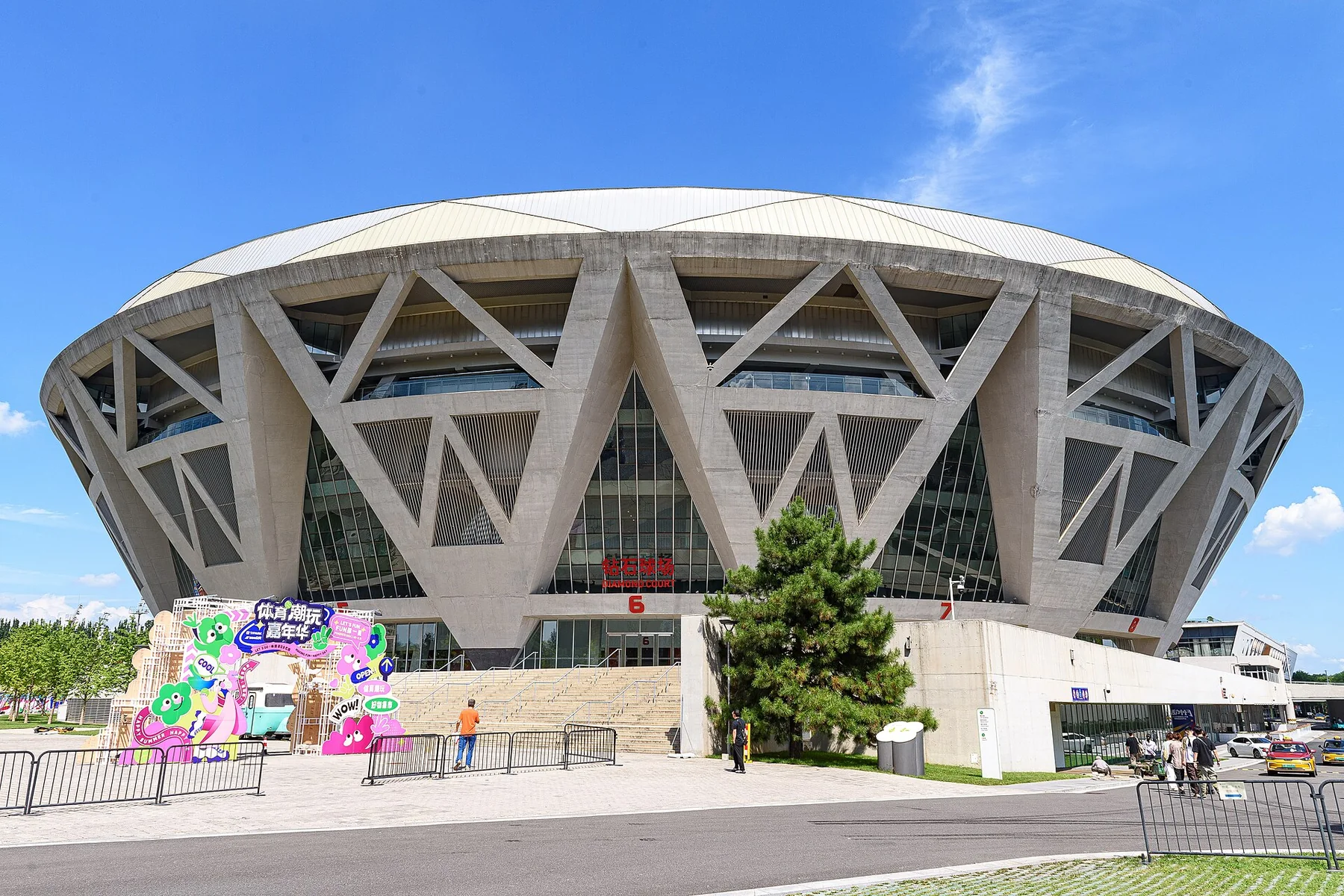
Fans do not need to choose permanently. The time zones are identical enough that sessions overlap, but replays and alternating courts can cover both. The tactical contrast is appealing: Beijing could feature Sinner's baseline pressure against Zverev or Medvedev, while Tokyo offers more explosive first-strike matchups.
Check this week's ATP schedule once play approaches. Wildcards, qualifiers and withdrawals will change the actual draw. Sinner's knee, Alcaraz's wrist workload and Djokovic's post-US Open decision are all reasons to distinguish a strong September 9 entry list from a confirmed match on September 30.
What makes the 2026 Shanghai Masters different?
Shanghai reunites the players who split between Tokyo and Beijing, raises the winner's reward to 1,000 ranking points and stretches play across October 7-18. It is the only Asian Masters 1000 and uses a 96-player singles draw, making it both the climax and the longest event of the swing.
Leading seeds receive opening byes, so they do not play the same number of rounds as an unseeded champion would. That creates a useful recovery buffer after the ATP 500 week, but only on paper. A Tokyo or Beijing finalist may travel on October 7 and immediately enter practice, media and treatment routines in Shanghai. A player eliminated early gains several days to adjust.
The expanded format changes how fans should follow the event. Opening sessions showcase more of the top 100, while marquee seeds can take several days to appear. The last rounds are less compressed than a one-week Masters. Tennis TV lists the event as outdoor hard court with 126 matches across its coverage, reflecting a substantial singles and doubles program.
Shanghai's conditions can also change the tennis. Outdoor humidity, evening temperature and ball wear affect whether servers dominate or returners can extend exchanges. Do not assume a result in Tokyo or Beijing transfers directly. Venue pace, travel and opponent style can matter as much as current ranking. The site's ATP tournament levels page explains why the ranking pressure increases even if the match format remains best-of-three.
The draw will supply the real story. Sinner and Alcaraz could share an event for the first time since Monte Carlo, while Zverev, Djokovic, Shelton and the two ATP 500 fields can converge. Yet that matchup is only possible until the draw and results make it real. Injuries and selective scheduling remain live factors after the US Open.
For practical planning, treat October 7 as the start of the event, not necessarily the first match for a top seed. Qualifying and early main-draw play come first. Check each day's order of play, especially if buying for one player. A 12-day Masters offers many chances to attend, but a broad event ticket description cannot guarantee which half of the singles draw appears.
What time are Asian swing matches in the USA?
Asian day sessions usually appear in the previous US evening or overnight, while Asian night sessions land in the early US morning. Tokyo is 13 hours ahead of Eastern Daylight Time and 16 hours ahead of Pacific Daylight Time in this part of 2026. Beijing and Shanghai are 12 hours ahead of ET and 15 ahead of PT.
Morning sessions become overnight viewing
An 11 a.m. start in Tokyo converts to 10 p.m. ET and 7 p.m. PT on the previous calendar date. An 11 a.m. start in Beijing or Shanghai is 11 p.m. ET and 8 p.m. PT the previous day. That makes opening matches surprisingly accessible in western US markets, though later day-session matches can run deep into the night.
Asian night sessions work differently. A 7 p.m. Shanghai match begins at 7 a.m. ET and 4 a.m. PT. A 7 p.m. Tokyo match is 6 a.m. ET and 3 a.m. PT. The clock conversion is simple, but the date line causes common mistakes in search results and calendar apps.
| Local start | Eastern | Pacific |
|---|---|---|
| Tokyo 11 a.m. | 10 p.m. previous day | 7 p.m. previous day |
| Tokyo 7 p.m. | 6 a.m. | 3 a.m. |
| Beijing/Shanghai 11 a.m. | 11 p.m. previous day | 8 p.m. previous day |
| Beijing/Shanghai 7 p.m. | 7 a.m. | 4 a.m. |
Use the order of play, not a fixed estimate
A listed session time is not a promise for every match. “Not before 7 p.m.” sets the earliest start; preceding matches can delay it. A second match on a court begins only after the first ends and the turnover is complete. Rain can move an outdoor schedule further.
Use the ATP schedule today after the official order of play appears. Confirm that the page is showing your local date, because a match played Wednesday morning in Tokyo may appear under Tuesday evening in California. Calendar alerts should include the time zone rather than only the hour.
For live viewing, prioritize night-session feature matches if you are in the Eastern time zone and can watch before work. Pacific viewers may prefer replays. Avoid searching “Tokyo match 7” without AM/PM and zone; use the event's local time and convert once. Daylight saving in the United States remains active throughout these September and October events, so the ET/PT differences above hold for the entire 2026 Asian swing.
How to watch Tokyo, Beijing and Shanghai in 2026
In the United States, Tennis Channel is the primary ATP rights holder listed for ATP 500 and Masters coverage; Tennis TV is the ATP's official streaming service in supported territories. Exact court access, replays and authentication depend on the subscription and region, so confirm the event tile inside the service before paying.
United States and Canada
Tennis Channel's linear feed can carry featured matches, while Tennis Channel Plus commonly provides additional court streams under its current package structure. Tokyo and Beijing overlap, which makes schedule selection important: a television channel can show only one live match at a time, while a streaming product may offer choices. Provider carriage differs, so verify that a cable, satellite or live-TV package actually includes the channel.
In Canada, the ATP broadcaster table lists TSN. TSN channels and TSN+ placement can vary by round. Because many matches begin overnight, replay and on-demand availability may matter more than the live channel. Consult the provider's daily grid rather than assuming every court appears on television.
International and Tennis TV options
The official ATP table lists U-NEXT in Japan, ESPN International China and Youku in China, Sky in the United Kingdom and parts of Europe, and various regional partners. Rights are territorial: a service mentioned for Japan may reject a US account, and a US subscription may be unavailable while traveling.
Tennis TV offers ATP Tour matches live and on demand on supported devices and has a dedicated 2026 Shanghai page. It is the most tennis-specific option for viewers who want full-match replays and court choice, but local restrictions can apply. It does not carry women's WTA matches in Beijing; the China Open is combined, so a separate WTA rights holder may be necessary.
Check before the first serve
- Open the site's ATP watch guide for the current territory.
- Match the order of play to your local date and time.
- Confirm whether your plan includes linear TV, extra courts and replays.
- Use official services; a search result promising a free stream may be unauthorized or unsafe.
Broadcast assignments can change after the draw, especially when Tokyo and Beijing offer simultaneous star matches. The most reliable workflow is schedule first, rights holder second, provider listing third. That prevents waking at 4 a.m. only to discover the selected match is on a different court or package.
Plan from the order of play
The calendar establishes the route; the draw and daily order decide the matches. Recheck player status after the US Open, convert from the venue?s time zone, and confirm your rights holder before each event begins.
About the author
ATP Schedule Editorial Team
The ATP Schedule editorial team turns match times, scores, tournament information and verified tennis news into clear answers fans can use quickly.
View all articles by this author →Fan discussion
Comments
Sign in with Google to comment. Keep the discussion helpful and tennis-focused. New comments are reviewed before they appear.
Loading comments…