ATP 500 Tournaments 2026: Complete Schedule, Results and Winners
Follow every 2026 ATP 500 tournament in calendar order, including completed champions, final scores, remaining events and season context.
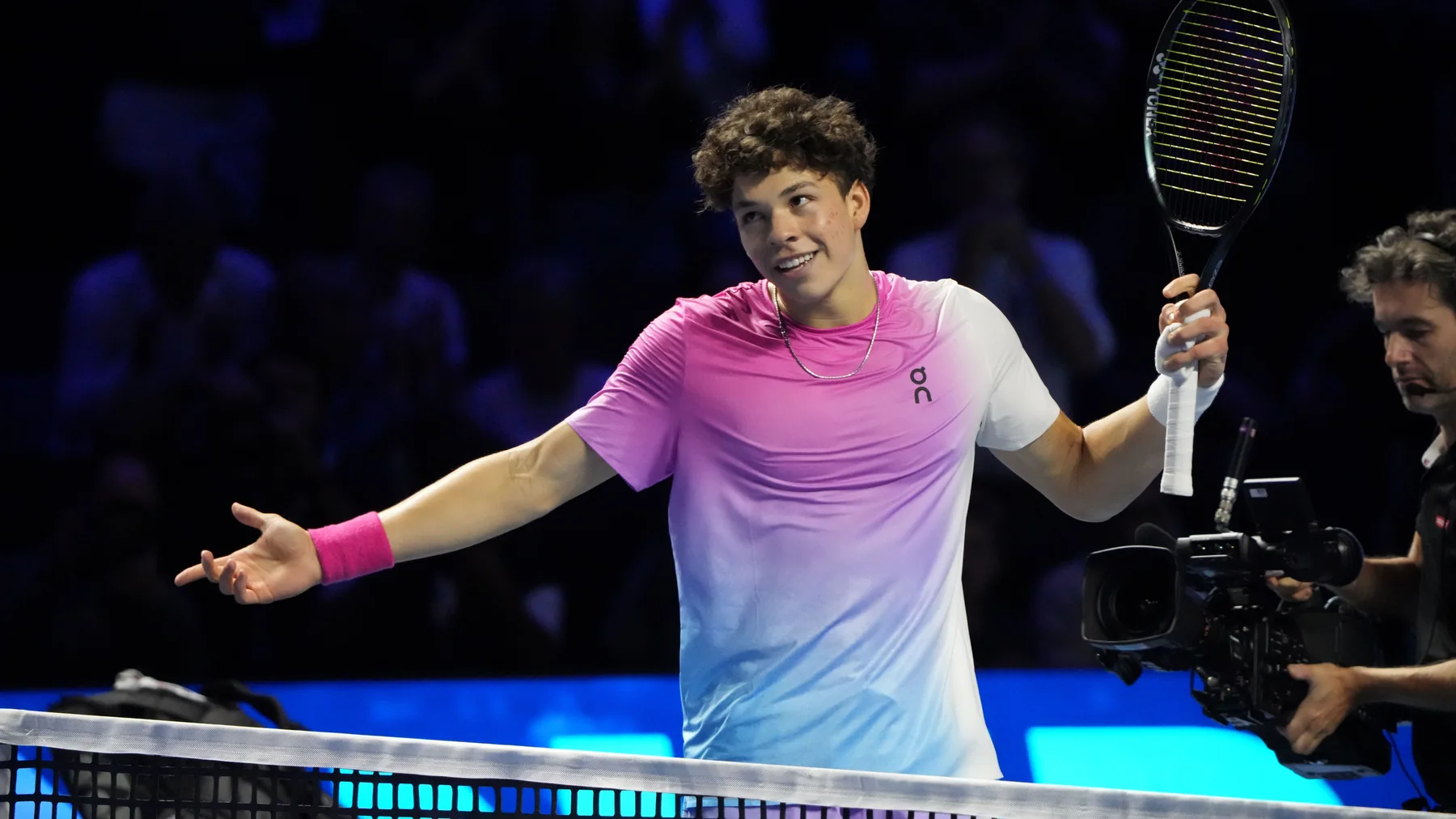
The ATP 500 schedule is the tour's most varied middle tier: 16 tournaments across four surfaces and several calendar phases. This 2026 tracker, checked September 9, separates 12 completed events from four upcoming tournaments, records official final scores and explains what each result means for rankings and form.
Complete 2026 ATP 500 Schedule and Winner Tracker
The 2026 ATP Tour calendar contains 16 ATP 500 tournaments. Twelve were complete as of September 9, while Beijing, Tokyo, Basel and Vienna remained ahead. The tracker below uses official ATP dates and final reports. “Upcoming” means no 2026 champion existed at the check date; it is not a prediction.
| Dates | Tournament | Surface | 2026 champion | Final |
|---|---|---|---|---|
| Feb 9-15 | Dallas | Indoor hard | Ben Shelton | d. Taylor Fritz 3-6, 6-3, 7-5 |
| Feb 9-15 | Rotterdam | Indoor hard | Alex de Minaur | d. Felix Auger-Aliassime 6-3, 6-2 |
| Feb 16-21/22 | Doha / Rio | Hard / clay | Carlos Alcaraz / Tomas Martin Etcheverry | d. Fils 6-2, 6-1 / d. Tabilo 3-6, 7-6(3), 6-4 |
| Feb 23-28 | Dubai / Acapulco | Hard | Daniil Medvedev / Flavio Cobolli | Walkover / d. Tiafoe 7-6(4), 6-4 |
| Apr 13-19 | Barcelona / Munich | Clay | Arthur Fils / Ben Shelton | d. Rublev 6-2, 7-6(2) / d. Cobolli 6-2, 7-5 |
| May 17-23 | Hamburg | Clay | Ignacio Buse | d. Tommy Paul 7-6(6), 4-6, 6-3 |
| Jun 15-21 | Halle / Queen’s | Grass | Frances Tiafoe / Francisco Cerundolo | d. Fritz 6-4, 6-4 / d. Paul 6-7(4), 6-4, 6-3 |
| Jul 27-Aug 3 | Washington | Hard | Taylor Fritz | d. Rafael Jodar 7-6(2), 6-4 |
| Sep 30-Oct 6 | Beijing / Tokyo | Hard | Upcoming | — |
| Oct 26-Nov 1 | Basel / Vienna | Indoor hard | Upcoming | — |
Combining same-week tournaments keeps the table readable, but each city counts as its own ATP 500. There are six in February, two on the same April week, one in May, two in June, one spanning late July into August, then four in two autumn doubleheaders. Browse the ATP tournament directory for individual event pages and the latest ATP results for day-level scores.
The final column also preserves an important technical distinction. Medvedev was the Dubai champion, but Griekspoor withdrew with a hamstring injury before the title match, producing a walkover rather than a played final. A reliable results archive labels that outcome instead of presenting a fictional score.
Surface is part of the result, too. Dallas and Rotterdam reward indoor first-strike tennis; Rio, Barcelona, Munich and Hamburg test movement and point construction on clay; Halle and Queen’s compress reaction time on grass. The same “500” label measures ranking value, not identical playing conditions. Comparing winners without the surface column would hide much of what made the season informative.
February’s Six ATP 500 Champions
Six of the season’s 16 ATP 500 trophies were decided in a 20-day February burst. That density made the month a test of scheduling choices as well as tennis: players could move between indoor Europe, outdoor Middle Eastern hard courts, Mexican heat and South American clay, but nobody could play every event.
Dallas and Rotterdam
Ben Shelton’s Dallas title came through pressure rather than clean domination. Taylor Fritz led the final by a set and later held three championship points, but Shelton escaped the 10th game of the decider and closed a 3-6, 6-3, 7-5 victory. It was his second ATP 500 trophy and first indoor title. The left-hander’s serve created the obvious ceiling; his ability to keep competing when Fritz was one point from the trophy supplied the result.
Alex de Minaur’s Rotterdam story was persistence of a different kind. After runner-up finishes in the previous two editions, he beat Felix Auger-Aliassime 6-3, 6-2 for his first indoor crown. The Australian’s movement and early court position prevented a powerful indoor opponent from controlling enough first strikes. Same week, same category, different route: Shelton survived volatility, while de Minaur reduced it.
Doha and Rio
Carlos Alcaraz produced the month’s fastest championship performance in Doha, beating Arthur Fils 6-2, 6-1 in 50 minutes. He returned aggressively, protected his own serve and did not allow Fils time to establish a heavier rally pattern. The score matters, but the broader marker was Alcaraz extending an unbeaten start to 2026 immediately after completing his Career Grand Slam in Australia.
Tomas Martin Etcheverry’s first tour title in Rio was built on endurance. Saturday rain left him to finish a three-set semifinal on Sunday before facing Alejandro Tabilo. He trailed 3-6, 1-3, recovered through a second-set tie-break and won 3-6, 7-6(3), 6-4 after three hours and four minutes. Clay extended the points and the day; Etcheverry’s willingness to keep driving his forehand through fatigue turned survival into a breakthrough.
Dubai and Acapulco
Daniil Medvedev is the official Dubai champion, but there was no final. Tallon Griekspoor injured his left hamstring in the semifinal and withdrew before playing the title match. Recording “walkover” protects both players’ histories: Medvedev earned the trophy, while Griekspoor did not lose a match that never started.
Flavio Cobolli finished the month by defeating Frances Tiafoe 7-6(4), 6-4 in Acapulco. It was Cobolli’s first tour title on hard court and moved him to a new career-high ranking. He controlled the forehand exchanges and kept the final to two sets after Tiafoe’s draining three-set semifinal. Fans can use the ATP results archive to separate those match-level details from the season summary.
The European Clay ATP 500 Winners
Arthur Fils won Barcelona, Ben Shelton won Munich and qualifier Ignacio Buse won Hamburg. The three European clay trophies went to players with different weapons and career positions, which is a useful warning against reducing clay tennis to one defensive style.
Barcelona and Munich shared Sunday
Fils beat Andrey Rublev 6-2, 7-6(2) in Barcelona after briefly losing control of a 5-2 second-set lead. Rublev saved three championship points, broke back and served for the set, but Fils recovered to force the tie-break and won all seven points in it. His 31 winners to Rublev’s 10 show that the title came from controlled aggression. His week had nearly ended in round one, where he saved two match points against Terence Atmane.
In Munich on the same day, Shelton defeated Flavio Cobolli 6-2, 7-5. The American saved six break points in his first service game and did not face another. That early hold prevented a poor start from becoming a pattern and let his left-handed serve dictate. ATP reported that Shelton became the first American man to win a clay title above 250 level since Andre Agassi’s 2002 Rome victory. The result was evidence of growing surface range, not proof that clay suddenly played like Dallas.
Hamburg’s qualifier breakthrough
Buse supplied the category’s largest surprise before the US Open. The 22-year-old Peruvian qualifier defeated Tommy Paul 7-6(6), 4-6, 6-3 in more than three hours. He received treatment for dizziness early, fell behind 0-4 in the second set and still found enough physical and tactical clarity to win the decider. It was his first ATP Tour trophy.
Hamburg’s result shows why completed draws matter more than entry-list expectations. A 500 field offers substantial ranking value, but the champion must still solve the conditions and five separate opponents. Buse’s qualification matches added work before the main draw; his tolerance for long rallies and heat became an asset when the final stretched. Compare surfaces in the ATP surface directory: clay increases the value of movement and point construction, yet Fils, Shelton and Buse demonstrated three distinct ways to finish points.
Grass Champions and the Washington Finish
Frances Tiafoe and Francisco Cerundolo won the two June grass 500s; Taylor Fritz then won Washington after rain pushed its final into Monday. Together, the three events demonstrate how much the calendar asks of contenders: abbreviated grass points, a rapid switch back to hard courts and schedules that can change overnight.
Halle and Queen’s on grass
Tiafoe beat Fritz 6-4, 6-4 at Halle for the biggest title of his career. Before that Sunday he had been 0-4 in finals above ATP 250 level. He broke that ceiling by protecting his serve and taking time away from Fritz in the first exchanges. ATP also identified him as the first American champion in Halle’s 500-era history, which began in 1993.
Cerundolo’s Queen’s final required a different response. Tommy Paul led by a set and a break, but Cerundolo lengthened the contest and recovered for a 6-7(4), 6-4, 6-3 win in three hours and two minutes. It was his first trophy above 250 level. His forehand remains the obvious clay-court weapon, yet the grass title showed he could shorten swings, return compactly and stay balanced through the lower bounce.
Fritz wins delayed Washington final
Washington returned the category to North American hard courts. Forecast weather first prompted a Sunday schedule revision; rain then carried the men’s final to Monday. Fritz defeated 19-year-old Rafael Jodar 7-6(2), 6-4, controlling the first-set tie-break and finding greater depth from the baseline in the second.
The result was Fritz’s 11th tour-level title and his first above ATP 250 level in nearly four years. Jodar’s run still mattered: it was his first ATP 500 final and another sign that the 2026 category was producing new finalists alongside established top players. The delay also explains why this archive uses actual completion dates rather than assuming every tournament ends on the Sunday printed in an initial calendar. Check the ATP results page when weather pushes a final beyond its original week.
For form analysis, the three winners should not be placed in one undifferentiated streak. Halle and Queen’s were direct Wimbledon preparation on grass; Washington began the North American hard-court phase. Tiafoe and Cerundolo proved a specific surface adaptation, while Fritz’s title said more about hard-court depth, tie-break execution and recovering from an interrupted timetable.
Four ATP 500 Events Still to Come
Beijing, Tokyo, Basel and Vienna were the four unplayed ATP 500 tournaments as of September 9, 2026. They are arranged as two same-week choices, so a player can enter at most two of the four: one Asian event and one European indoor event.
Two autumn doubleheaders
China Open in Beijing and Japan Open in Tokyo, both outdoor hard-court ATP 500s.
Swiss Indoors Basel and Erste Bank Open in Vienna, both indoor hard-court ATP 500s.
The first pair begins the week before the Shanghai Masters. A player’s choice can depend on travel, sponsor commitments, past success and how a court suits his serve-return profile. Both award the same level of ranking points, but identical category does not mean identical speed, ball behavior or draw strength. Entry lists should be checked near the event rather than inferred months ahead.
Basel and Vienna create a similar decision late in the Race to Turin. They finish immediately before the Paris Masters, so a contender balances the chance to collect a large points total against three consecutive demanding weeks. An early loss can create recovery time; a Sunday final can mean a fast transfer and a short practice window in Paris.
No champion is named here because none existed at the research cutoff. Search pages sometimes populate a defending champion or projected field beside a 2026 date, which is not the same as a 2026 result. When the week arrives, use ATP matches this week for current play and return to this archive only after the final is official. That separation keeps a live schedule and a historical winner list from contradicting one another.
These events also remain relevant to players outside the eight direct Turin positions. A deep 500 run can improve year-end seeding, secure entry thresholds for the following season and establish indoor form before Paris. The stakes are real even when a player is no longer likely to qualify for the Finals.
What ATP 500 Results Mean for the Season
An ATP 500 title earns 500 singles ranking points, but the category’s significance comes from more than its name. Fields are strong, conditions vary widely and the events occupy strategic weeks around majors and Masters 1000 tournaments. A player who wins two different 500s has collected the points equivalent of one Masters title, though through a different competitive path.
Ranking value and field strength
The 2026 points table awards 500 to the champion, 330 to the finalist, 200 to a semifinalist and 100 to a quarterfinalist. A first-round main-draw loss earns zero. That steep progression rewards deep weeks: Shelton’s Dallas and Munich titles alone produced 1,000 winner points, while repeated quarterfinals would require far more tournaments to match them.
There is also a separate 500 Bonus Pool. ATP reported $3.07 million available to the top six eligible players in the 2026 standings, subject to participation conditions. After Washington, Shelton led with 1,250 points and Fritz followed with 1,160. Those are category-specific standings, not the complete world rankings, and four autumn events still had the power to change them.
Surface versatility
A raw trophy count needs a surface footnote. Shelton won indoor hard in Dallas and clay in Munich, an especially instructive pair because the point value stayed constant while the movement, bounce and rally shapes changed. Fils reached the Doha final on hard before winning Barcelona on clay. Tiafoe’s Halle title measured grass-court first-strike tennis; Buse’s Hamburg run measured clay endurance and qualification resilience.
That does not make a two-surface champion automatically superior to a specialist. Draw strength, opponent health and timing matter. It does make the archive a better form tool when the next event uses similar conditions. Read the ATP levels guide for category comparisons, then prioritize recent matches on the relevant surface.
How to use this archive
Use the table for three jobs. First, verify whether a tournament is complete before repeating a winner. Second, compare a player’s final-round experience: a walkover title, a straight-set final and a comeback after saving championship points are all official trophies but different evidence. Third, locate schedule clusters that explain fatigue and withdrawals.
For player evaluation, open the ATP player directory and examine the matches around the trophy, not only the final. Shelton’s Dallas survival, Fils’ saved match points in Barcelona and Etcheverry’s two-match Sunday in Rio reveal more about their weeks than a champion column alone. When Beijing, Tokyo, Basel and Vienna finish, update the four provisional rows only from official results and preserve the check date.
The 2026 ATP 500 Picture So Far
Shelton is the only multiple 500 champion through Washington, while first-time or breakthrough winners gave the season much of its character. Beijing, Tokyo, Basel and Vienna can still reshape both the trophy count and the 500 Bonus Pool. Keep future rows provisional until the final point or an official walkover confirms the champion.
About the author
ATP Schedule Editorial Team
The ATP Schedule editorial team turns match times, scores, tournament information and verified tennis news into clear answers fans can use quickly.
View all articles by this author →Fan discussion
Comments
Sign in with Google to comment. Keep the discussion helpful and tennis-focused. New comments are reviewed before they appear.
Loading comments…